Experts as Multipliers
These individuals were inspired early on by Vincent’s art and played a significant role in its dissemination.
Paul Cassirer
(1871–1926)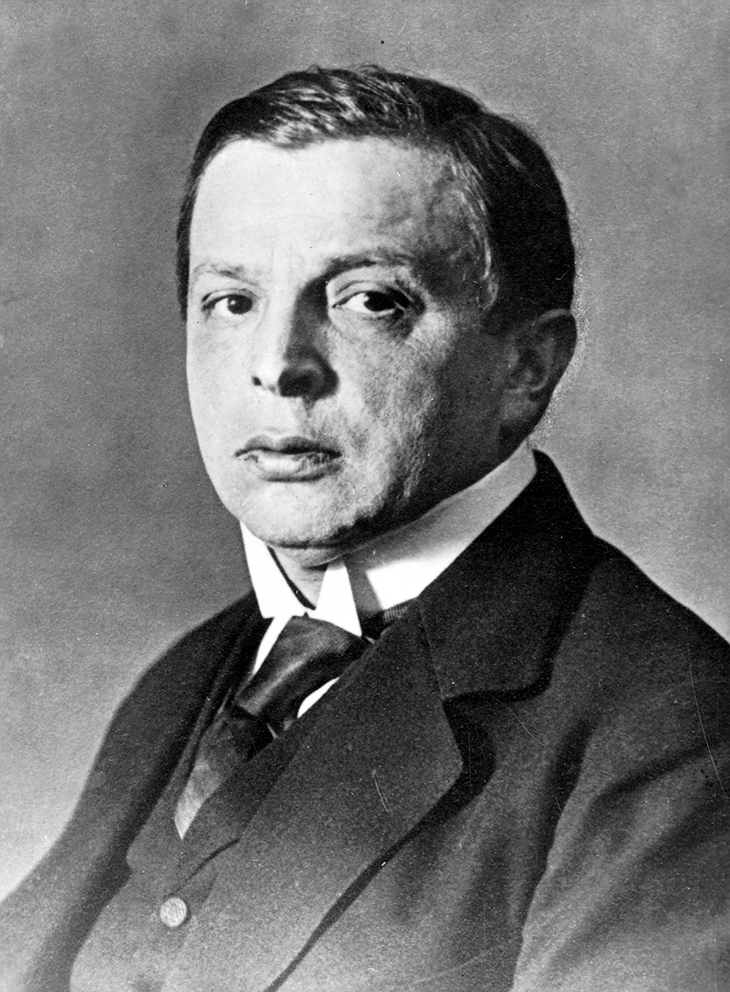
circa 1905
The German art dealer and publisher Paul Cassirer (1871–1926) organized numerous stationary exhibitions as well as traveling exhibitions to Vienna, Dresden, and Hamburg. By the First World War, there were about 120 Van Gogh paintings in Germany. 80 of these were brokered solely through Paul Cassirer’s art trade.
Julius Meier-Graefe
(1867–1935)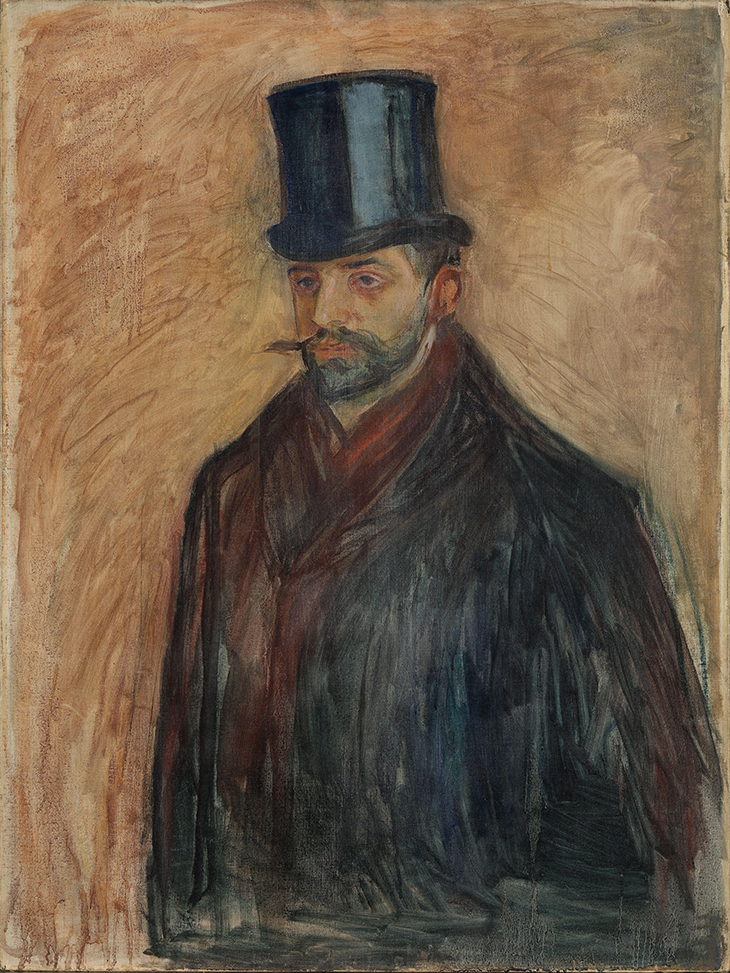
Edvard Munch (1863–1944), around 1894
Oil on canvas, 100 x 75 cm
National Museum Oslo, Norway
The influential art historian and writer Julius Meier-Graefe (1867–1935) recognized the significance of Van Gogh’s work early on. In 1900, he first wrote about Van Gogh in the magazine ‘Die Insel’. In his book ‘Entwicklungsgeschichte der modernen Kunst’ (Developmental History of Modern Art), he already dedicated an entire chapter to him, before publishing in 1910 ‘Vincent van Gogh’, the first book solely about the painter – a work that is still published today.
Helene Kröller-Müller
(1869–1939)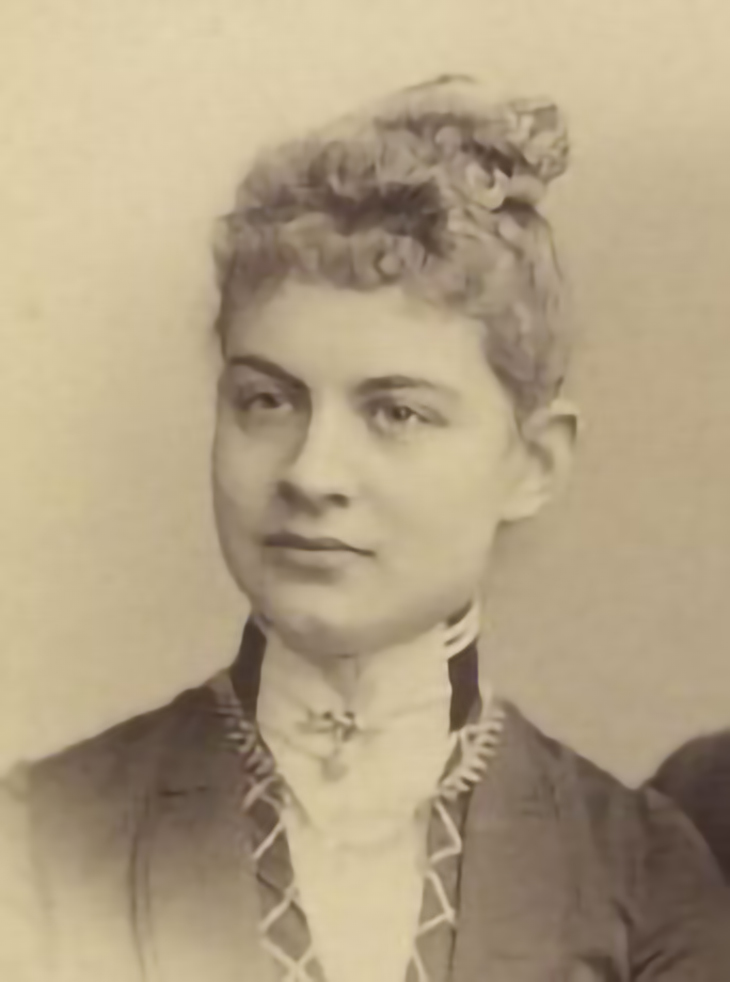
Shortly after, her engagement to the wealthy construction entrepreneur Anton Kröller followed.
Helene Kröller-Müller was deeply moved by Van Gogh’s art. Her wealth allowed her to become a passionate collector. In 1908, she acquired her first Van Gogh painting ‘Edge of a Wood’ for 110 guilders.
88 paintings and 172 drawings would follow. In 1938, she and her husband Anton founded the Kröller-Müller Museum in Otterlo, Netherlands, to make Vincent’s art accessible to everyone.
Recognition During His Lifetime
On August 17, 1889, a critique appeared in the magazine ‘De Portefeuille: Kunst- en Letterbode’:
“Who conveys to us in forms and colors the grand, powerful life that this nineteenth century is once again becoming aware of? […] I know one, a solitary pioneer, he stands alone fighting in deep night, his name, Vincent, is destined for posterity. More will be said later about this remarkable hero – a Dutchman.“
The author of this first mention of Van Gogh in the art press, J.J. Isaacson (1859–1942), was also a painter and Dutch.
Magazine Mercure de France
(Issue: January 29, 1890, Article ‘The Isolated Ones’, Pages 24–29)In this first multi-page article, French art critic Albert Aurier (1865–1892) expressed his admiration for Van Gogh’s unconventional, passionate, and vivid artistic creations.
Aurier believed that Van Gogh’s true essence could never be fully understood because his art was “too simple and at the same time too subtle for the contemporary bourgeois mind”.
“How could we explain the Sower without considering the idea […] of a Messiah, a ‘sower of truth’, who would regenerate the decadence of our art […]?“
Albert Aurier in ‘Mercure de France’, January 1890
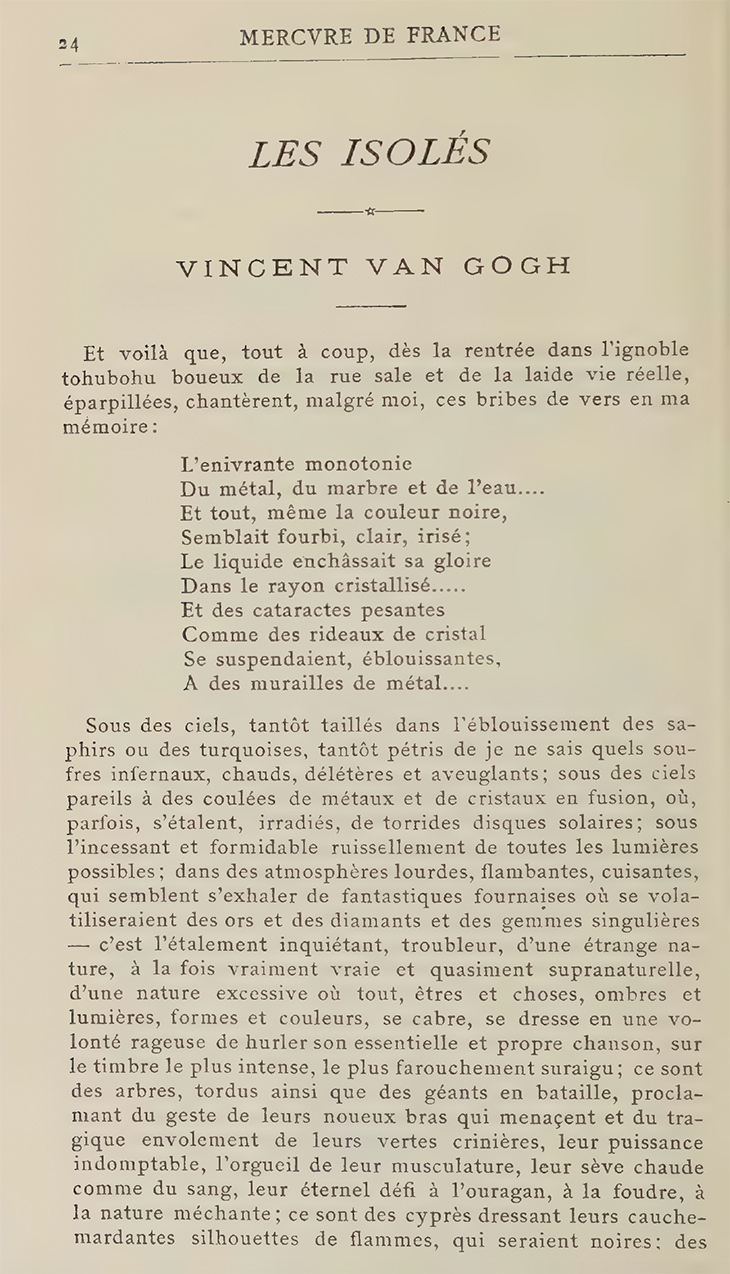
which exclusively deals with Van Gogh and his art.
Brief Career, Great Legacy
With only ten years, Van Gogh’s creative period was exceptionally short – for comparison: Claude Monet painted for about 60 years, Pablo Picasso even 83. Nevertheless, there were contemporaries who recognized the powerful expression of the Dutch autodidact (see ‘Recognition During His Lifetime’).
The Extraordinary Jo van Gogh-Bonger
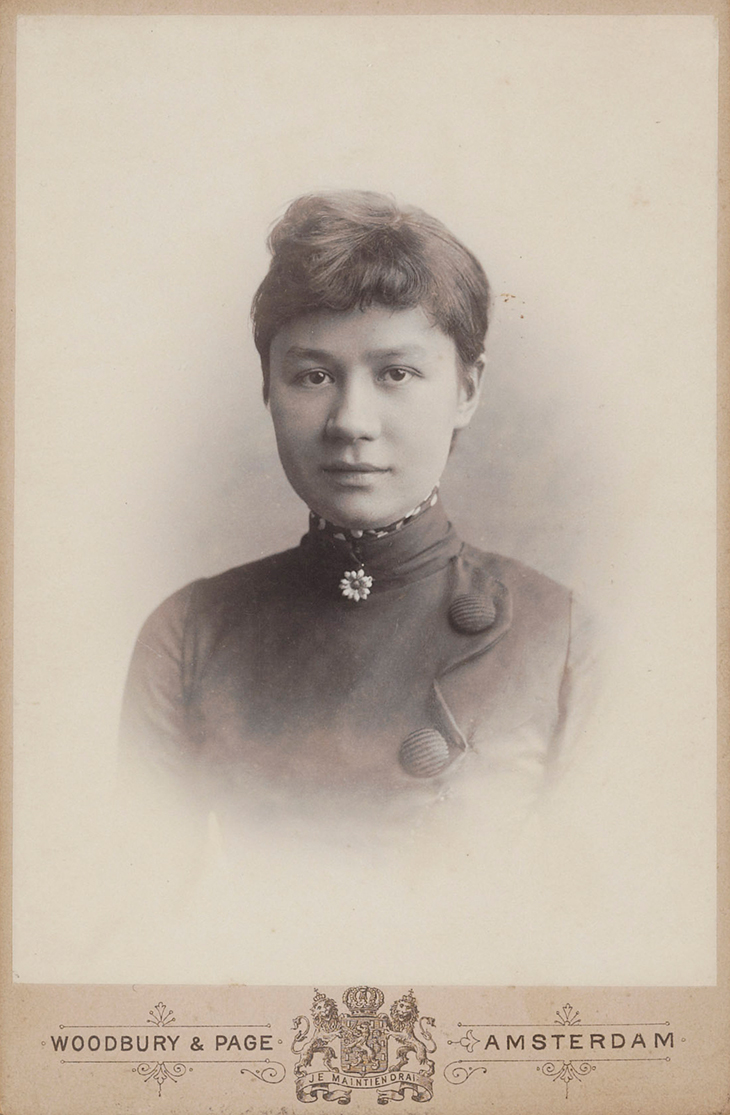
‘Jo’ made her brother-in-law’s artistic legacy her life’s mission: “Besides raising children, he [Theo] left me another task: Vincent’s work – to show it, to let it be admired as often as possible”, she wrote in her diary in early 1891.
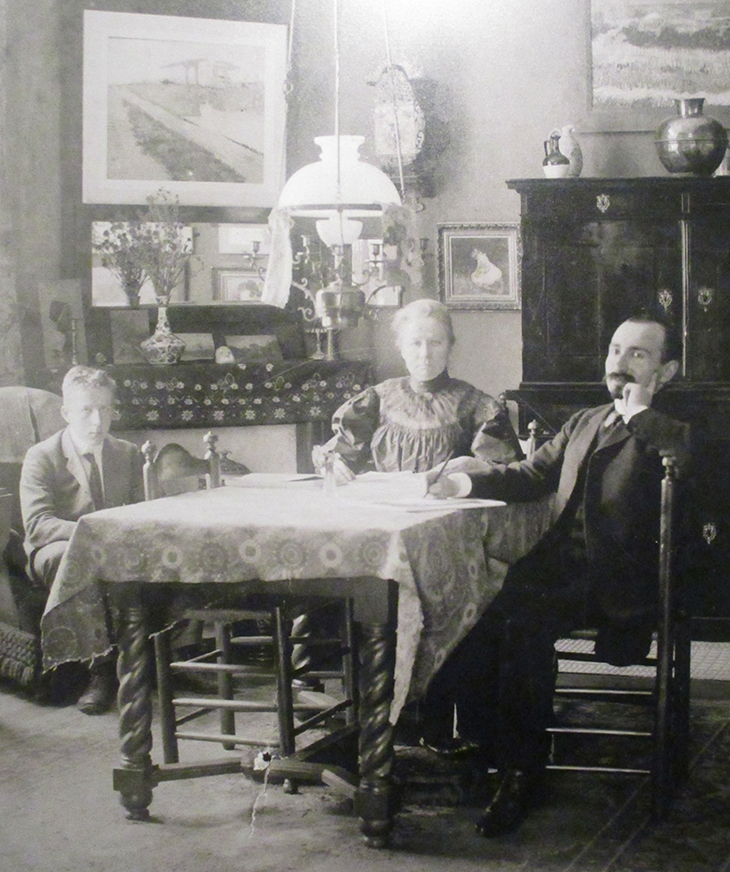
On May 1, 1891, Johanna opened the guesthouse ‘Villa Helma’ in Bussum near Amsterdam, which she decorated with Van Gogh’s paintings. In a letter to Émile Bernard, she wrote: “However, be assured: The paintings will not end up in a barn or a dim back room. Rather, I will decorate the entire house with them.“
Through exhibitions, carefully considered sales, publications, and numerous personal contacts, Johanna succeeded in making her brother-in-law’s work known to gallery owners, collectors, and museum directors in the following years. Throughout her life, Johanna sold Van Gogh’s works thoughtfully and preserved many paintings to protect her brother-in-law’s artistic legacy.
The Foundation Matter
Johanna’s son Vincent Willem van Gogh continued his mother’s life’s work. Like his mother, he repeatedly lent paintings by his uncle to museums. In 1960, he established a foundation to manage the legacy. This foundation built the Van Gogh Museum in Amsterdam in 1973. It houses the world’s largest collection of his works to this day.
The Exhibitions
Johanna van Gogh-Bonger repeatedly lent paintings and drawings to exhibitions throughout Europe, particularly to Germany.
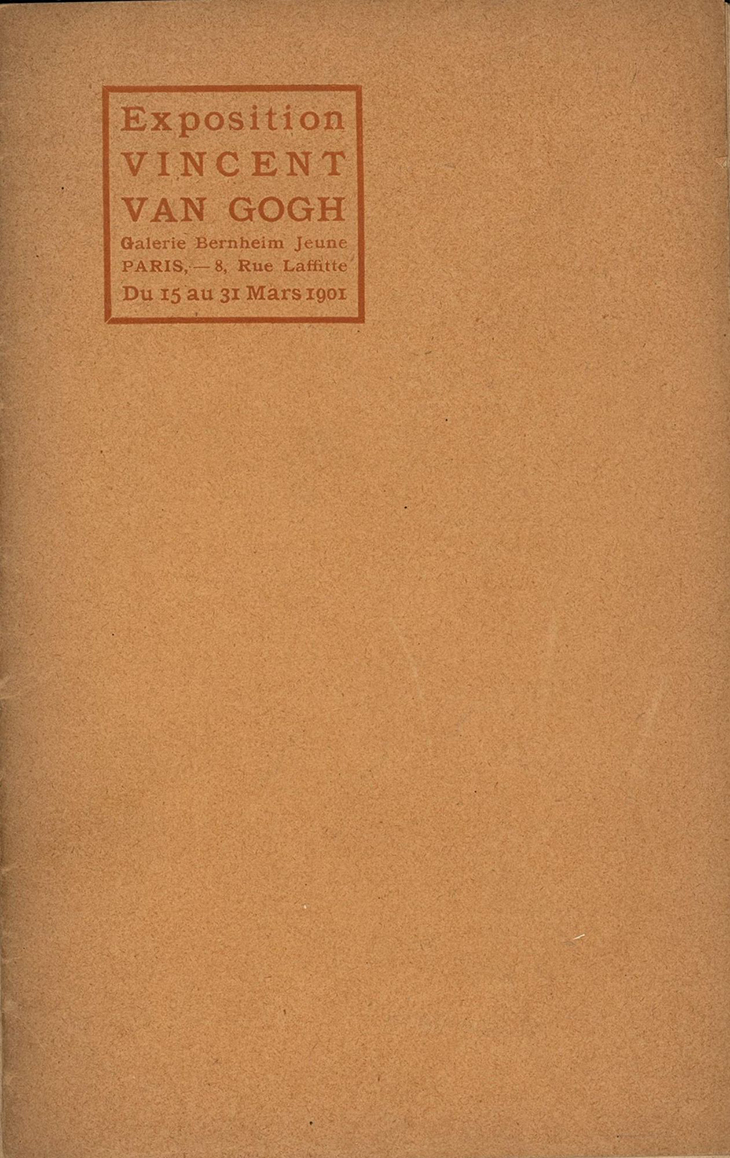
Paris, 1901
A highlight was an exhibition in Paris in 1901, which for the first time showed over 70 of Van Gogh’s paintings. The lenders already included Auguste Rodin, Camille Pissarro, and other significant painters. The exhibition thrilled many visitors, including those from Germany. The first voices emerged, considering Van Gogh ‘the latest pinnacle of the French painting tradition’.
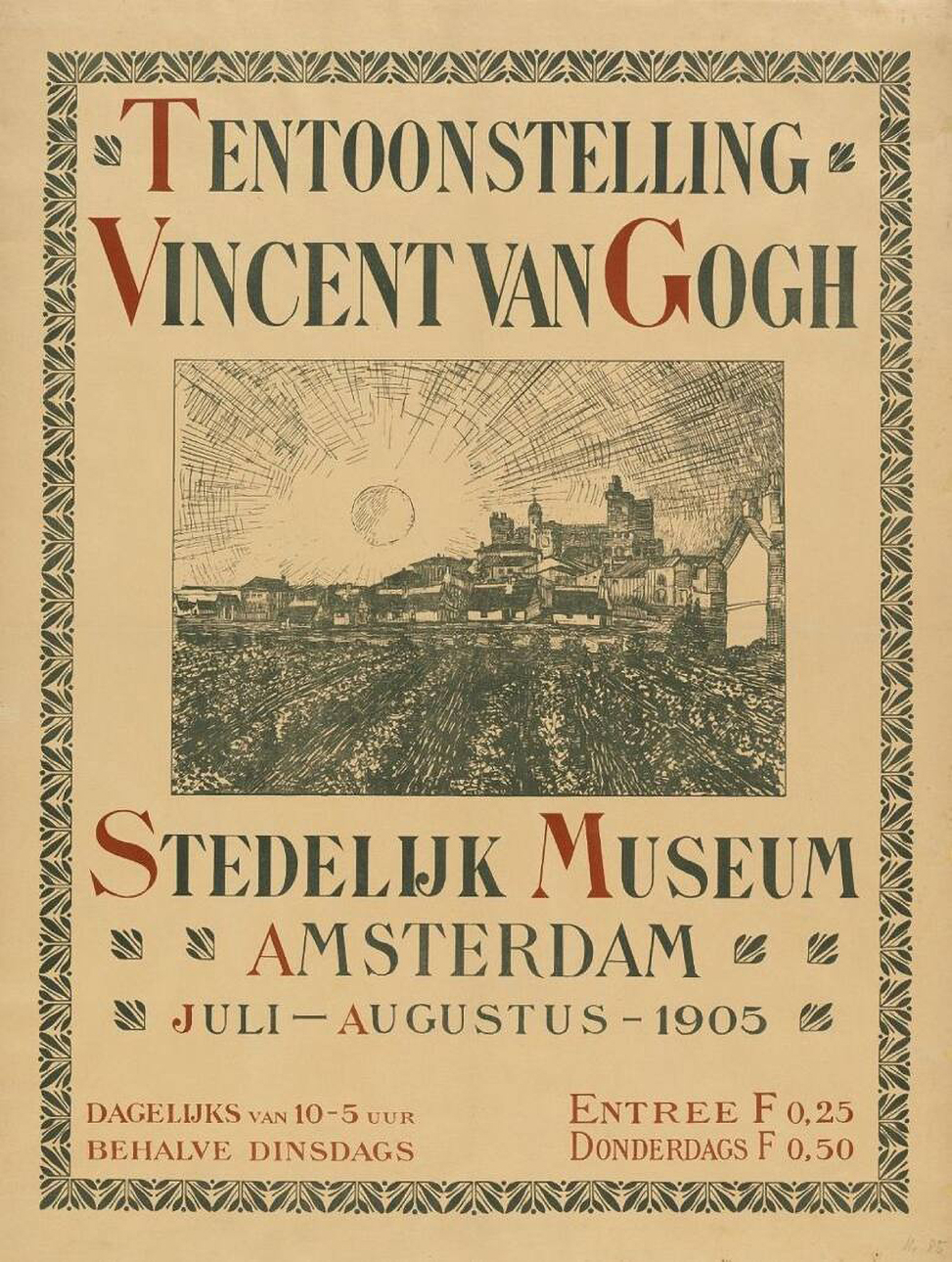
Amsterdam, 1905
The economic breakthrough came in 1905. Johanna herself organized a large Van Gogh retrospective in Amsterdam with over 450 (!) exhibits. After this exhibition, the prices for Van Gogh paintings increased significantly.
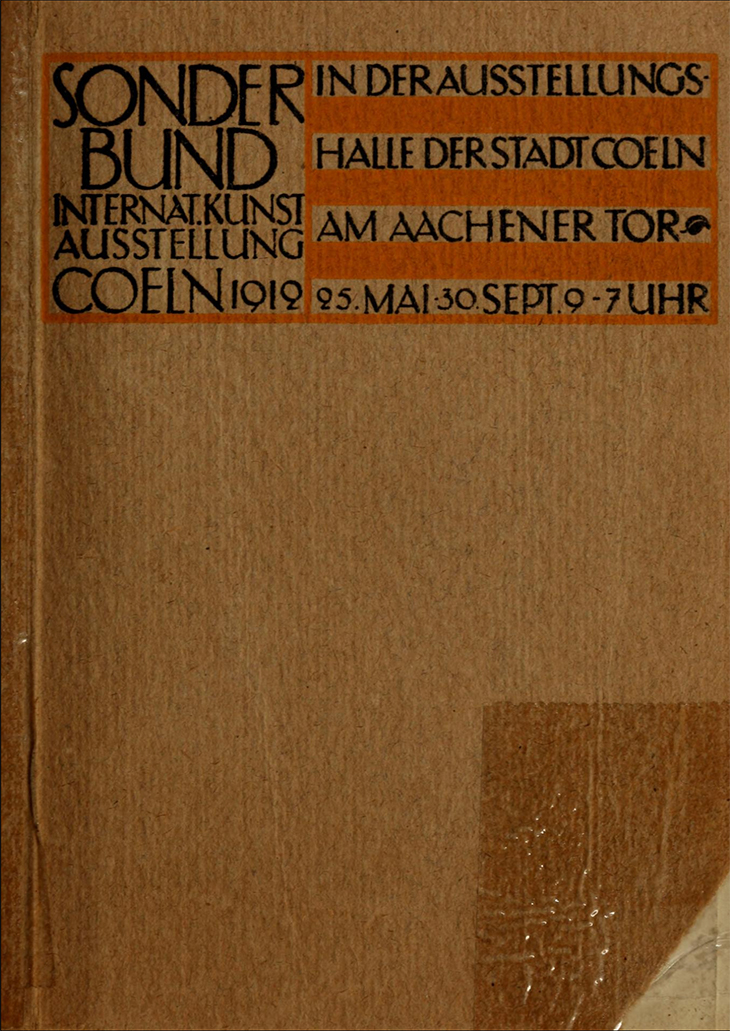
Cologne, 1912
The Sonderbund exhibition in Cologne in 1912 focused on ‘controversial modern painting’ such as Impressionism and Post-Impressionism. In 29 rooms, 634 paintings were intended to ‘help modern art achieve a breakthrough’. Rooms one to five were exclusively dedicated to Van Gogh’s works – 107 in total.
Subsequently, Germany became a center for Van Gogh’s art.
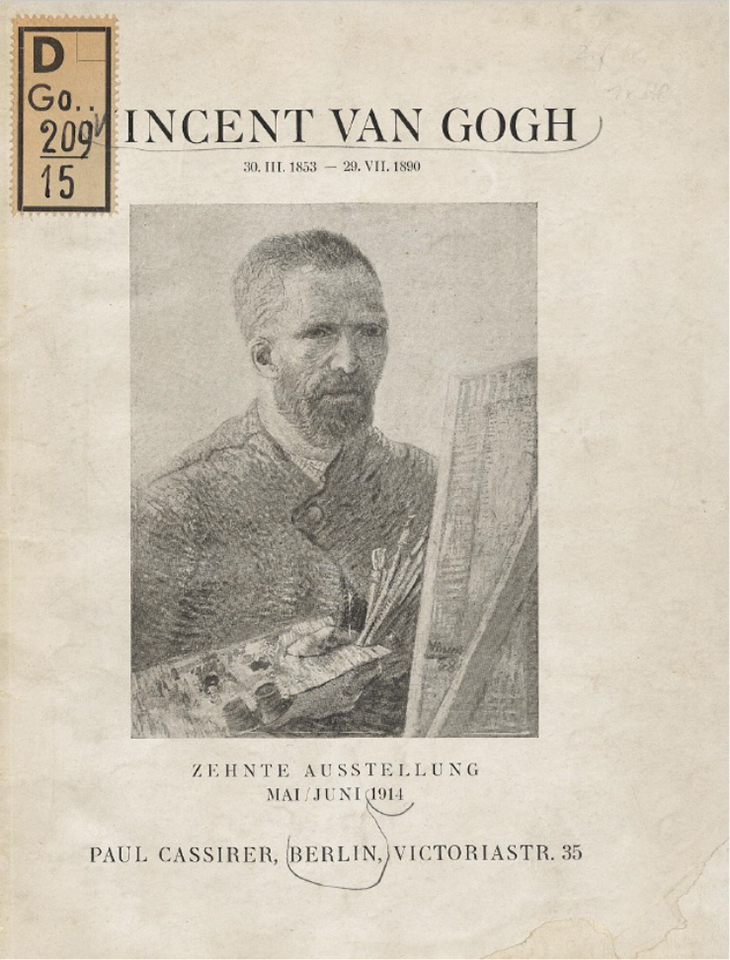
Berlin, 1914
Representative of the high commitment of art dealer Paul Cassirer (1871-1926), the tenth Van Gogh exhibition he organized in Berlin is mentioned here. In the catalog’s foreword, he explicitly thanks ‘J. van Gogh-Bonger’, but also the already numerous private collectors for their loans.
X-Ray-Rubbel
Vincent van Gogh used canvases twice to save money. There were times when he only drew sketches for weeks because he couldn’t afford oil paint. Therefore, many paintings are examined with X-rays in search of hidden layers of color.
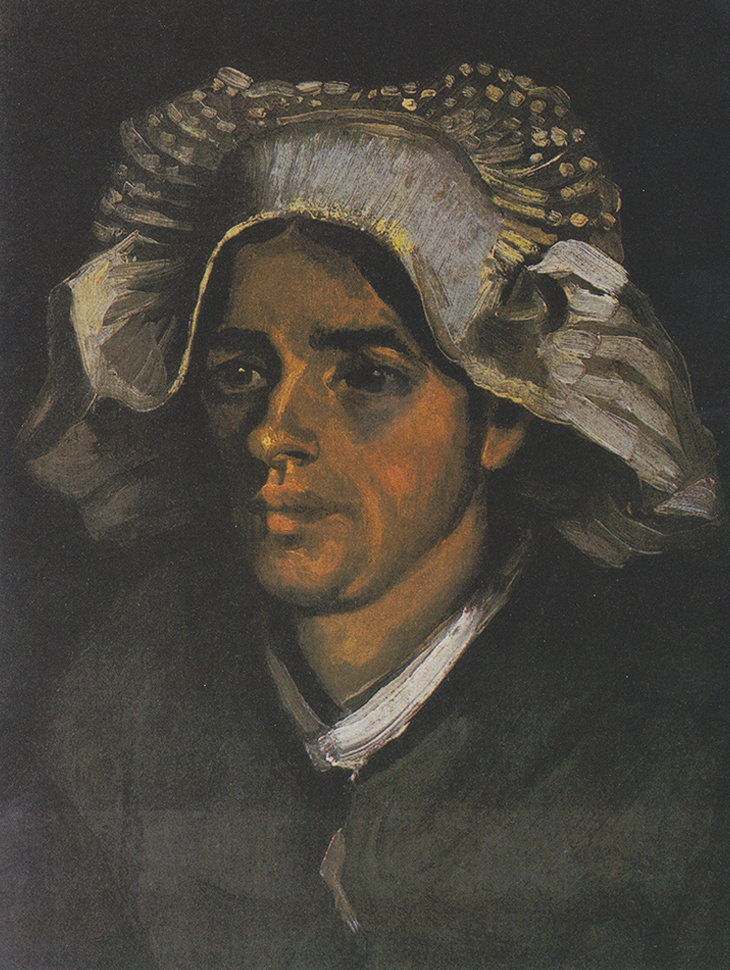
Oil on canvas, 48 x 36 cm
National Gallery Edinburgh, Great Britain
When experts at the National Gallery in Scotland examined Van Gogh’s painting ‘Head of a Peasant Woman’ in 2022, they found a previously unknown self-portrait of the artist under the cardboard on the back. You can reveal the portrait on the monitor by rubbing with your finger.