A Mysterious Portrait
Do you know this painting? It also hangs in the room with the many self-portraits – but who is depicted remains unclear. Experts disagree on whether it shows Vincent or Theo van Gogh. Both brothers were described as very similar in appearance. Decisive evidence is still missing to this day.
The portrait is unusually small, probably influenced by photography, for which such formats were typical. In a letter to his brother on December 14, 1885, Vincent explained: “And I’m not giving up my idea of portraits, […] to show people that there is something else in a person than what the photographer can extract from them with his machine.“
With this, Van Gogh anticipates the desire to capture with his painting what ‘is’, not what ‘can be seen’. For this goal, he breaks with the formal rules by which painting styles are defined.
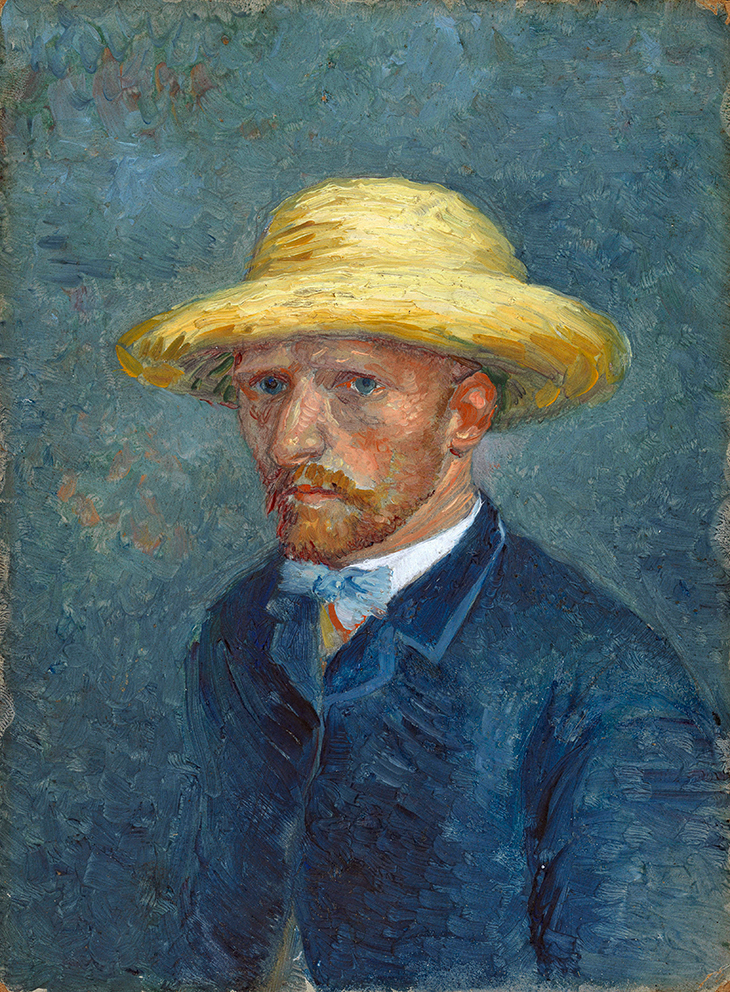
Oil on cardboard, 19 x 14 cm
Van Gogh Museum Amsterdam, Netherlands
It was Theo van Gogh who convinced his brother Vincent to become a painter. He supported him in all situations and, as an art dealer in Paris, was always at the pulse of painting. During his time in Paris, Vincent lived with his brother. It was also Theo who convinced Paul Gauguin to visit Vincent in his yellow house. And it was also thanks to the care and love of the ever-present brother that Vincent moved to Auvers-sur-Oise near Paris at the end of his life.
Theo’s son, Vincent Willem van Gogh, continued the life’s work of his parents. In the 1960s, he supported the establishment of a museum that would make Van Gogh’s work permanently accessible, and handed over the entire legacy to the ‘Vincent van Gogh Foundation’. In 1973, the Van Gogh Museum opened in Amsterdam, which to this day houses the world’s largest collection of his works.
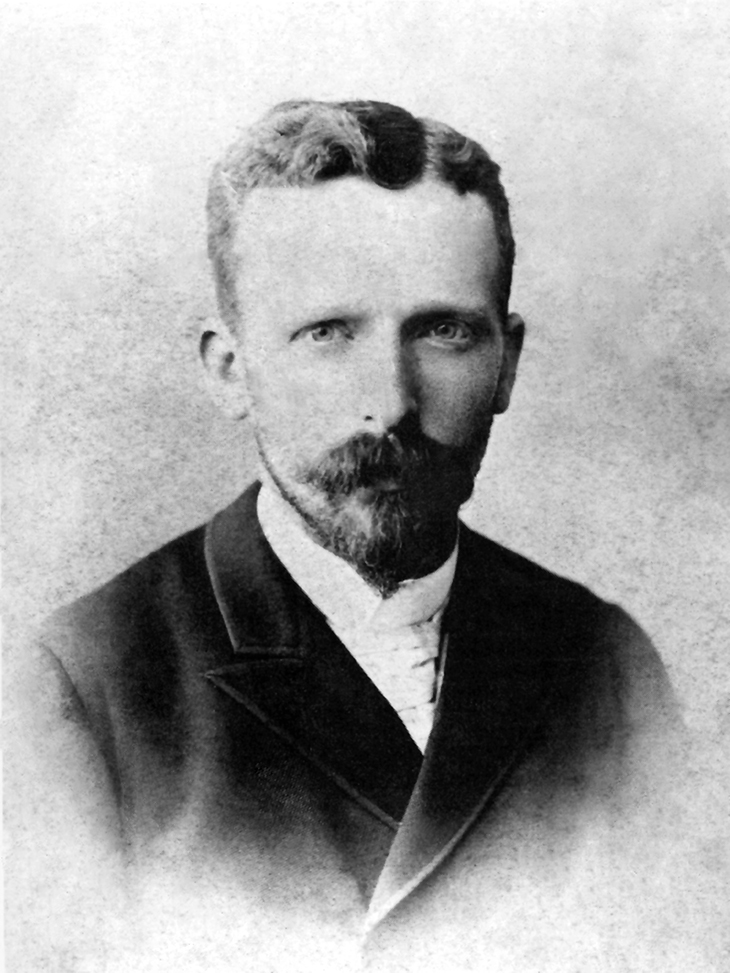
photographed in 1889 in Paris
“You see what I have found, my work; And you also see
what I haven’t found, everything else that is needed for life.“
Letter (249) to Theo, July 1882