A life for faith
Religion and nature
The Christian religion had a profound influence on Vincent van Gogh’s life and work. Until the age of 26, he wanted to become a priest or missionary. As the son of a priest, he grew up strictly religious. Over time, Vincent’s understanding of faith increasingly moved away from the teachings of the church. For him, faith was rooted in the compassion of ordinary people – workers and farmers. He saw God everywhere: in the creation of the world, in the details of nature, in people – in everything that exists.
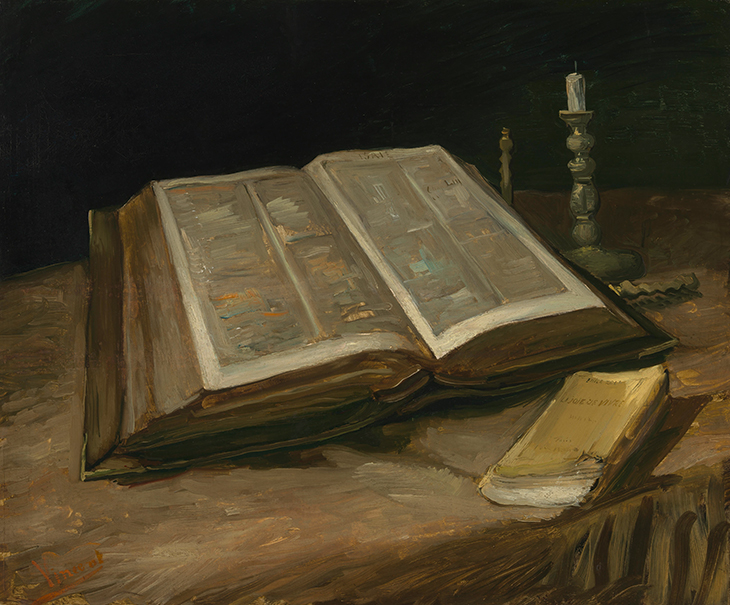
Oil on canvas, 66 x 79 cm
Van Gogh Museum Amsterdam, Netherlands
In this work, Vincent van Gogh shows his attitude towards faith and enlightenment. The Bible takes up most of the picture. In the foreground, Émile Zola’s novel “The Joy of Living“ (“La joie de vivre“) stands out in bright yellow – a symbol of modern, enlightened thinking. The candle in the picture has gone out, its light does not connect the books. It remains to be seen which school of thought Vincent prefers.
The beginnings
Homage to the hard country life
In this painting, Van Gogh captures the mood and harshness of simple peasant life. The color palette consists of dark brownish tones. The figures look relaxed. Vincent was impressed by the original directness of such a life:
“[…] that these people […] have worked the earth themselves with their hands, which they put into the bowl […] and have thus honestly earned their food.“
The painting was heavily criticized at the time for its coarse character and dark colors. For Van Gogh, however, the message of the painting was more important than technical perfection. It documents Van Gogh’s deep respect for the working class and shows his development into a realistic painter. Today, this painting is considered a masterpiece of his early phase and is one of his most famous paintings.
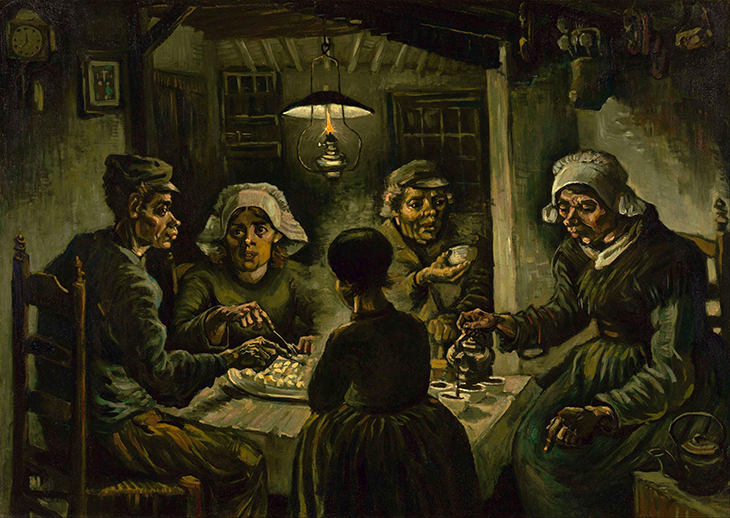
Oil on canvas, 82 x 115 cm
Van Gogh Museum Amsterdam, Netherlands
The Van Gogh family
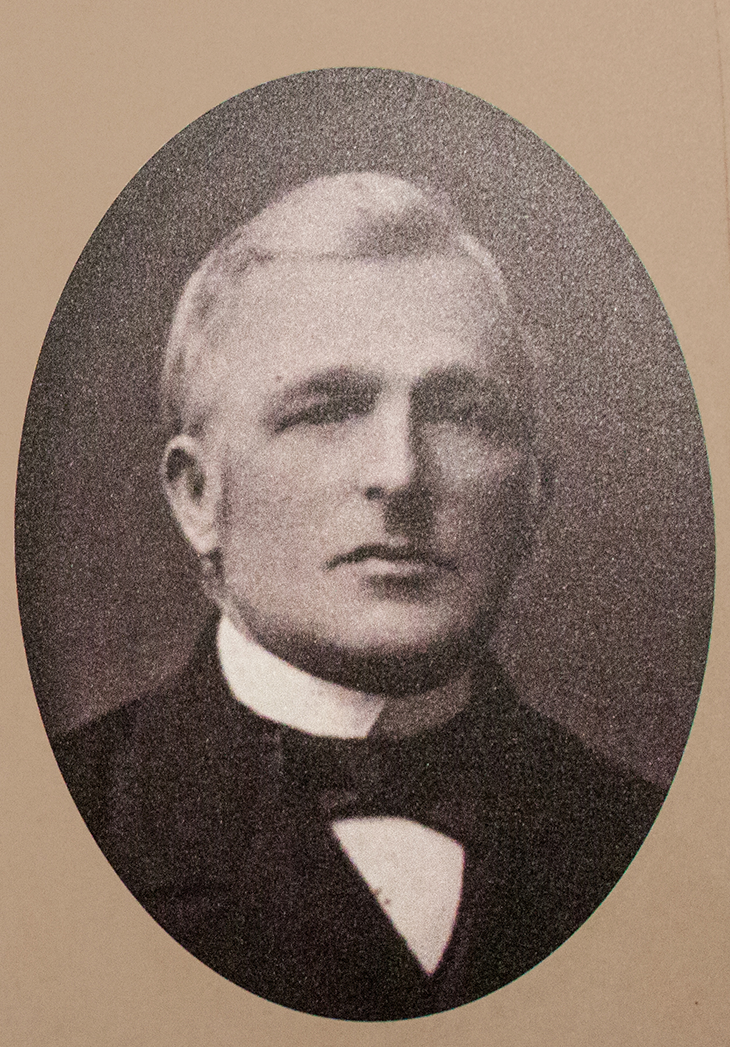
(1822-1885)
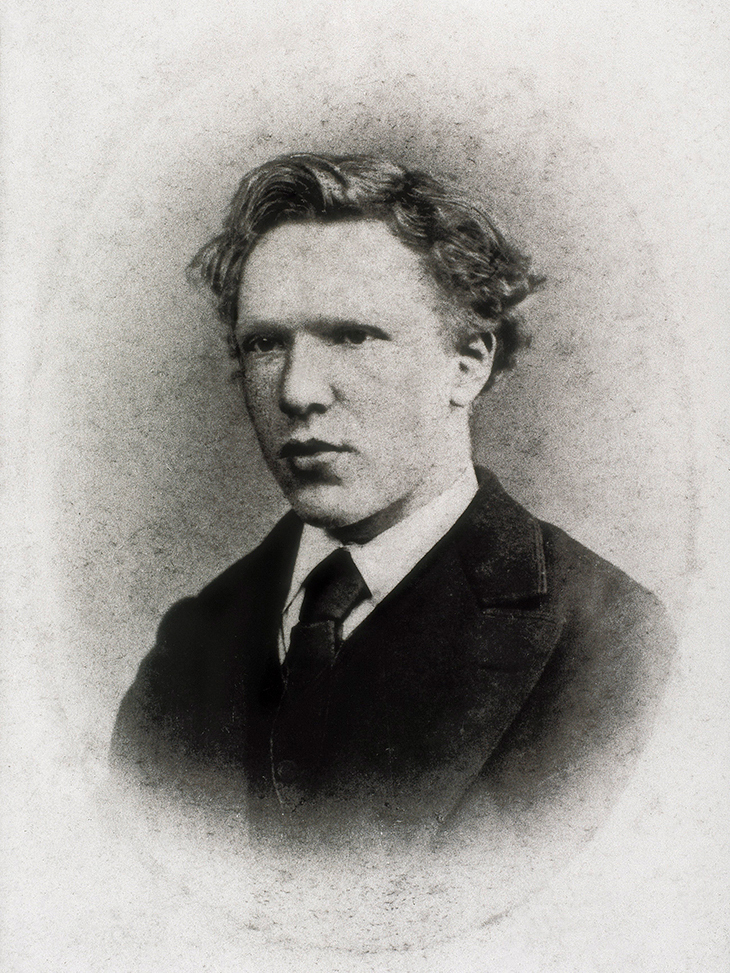
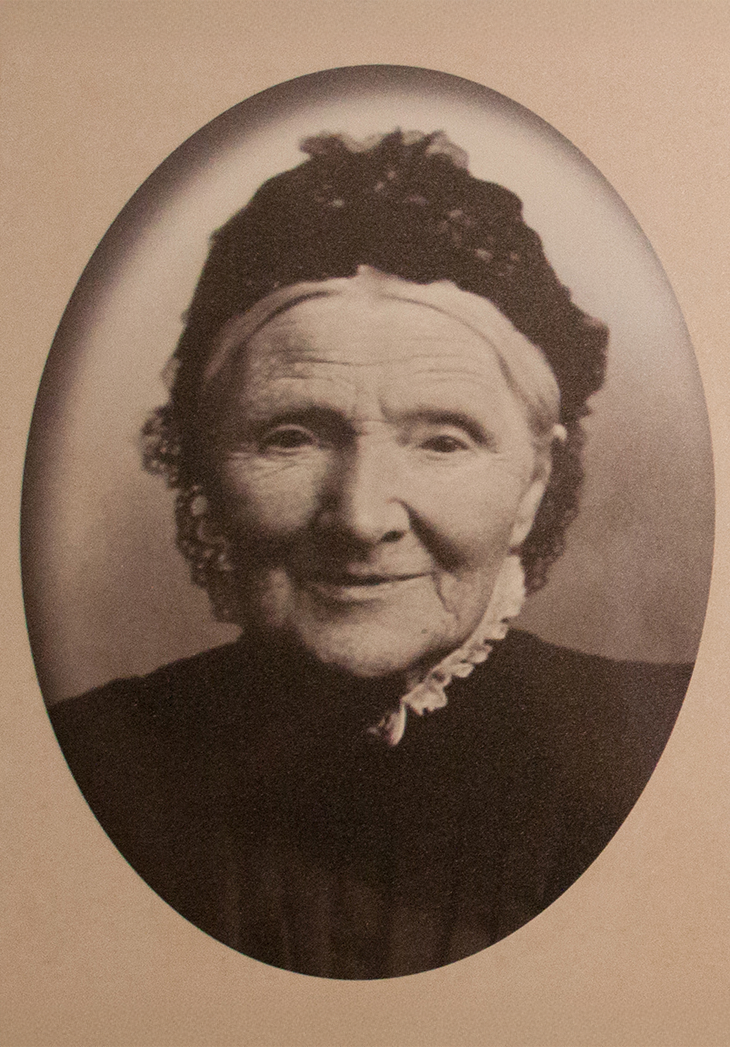
née Carbentus (1819-1907)
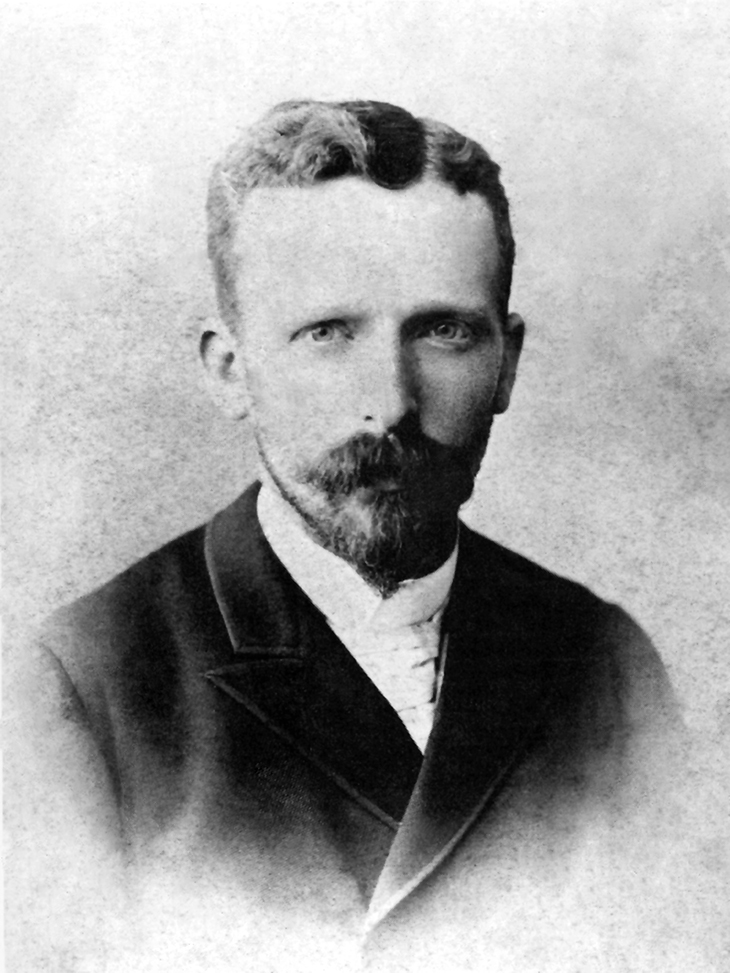
Vincent van Gogh was born on March 30, 1853 in the village of Zundert in the southern Netherlands. His father Theodorus was a deeply religious and conservative priest, while his mother Anna cared for the young Vincent more than lovingly. Her first son, who was also called Vincent, was born dead exactly one year earlier to the day. And the family continued to grow – Vincent had five younger siblings: three sisters and two brothers, including his lifelong confidant Theodorus, known as Theo.
The extended Van Gogh family was considerably wealthier and more privileged than the poor rural population that Vincent painted so passionately in his early years. These included Uncle ‘Jan’, a rear admiral in the navy, and Uncle ‘Cent’, who co-founded the art dealership Goupil & Cie and trained Vincent and Theo at the branch in The Hague.
The irreplaceable brother
The relationship between Vincent van Gogh and his younger brother Theo was exceptionally close. 652 surviving letters document how Vincent shared his life, his work and his innermost thoughts with Theo. Especially in times of illness and doubt, Theo supported Vincent as his advisor, patron, critic and closest friend. As a successful art dealer, Theo made a decisive contribution to Vincent’s artistic development. Vincent’s life and work would have been unimaginable without Theo’s financial and moral support.
Nature
The Van Gogh family loved long walks in the surrounding countryside, which awakened a deep connection to nature in Vincent at an early age. Its primal power and the hard life of the farmers impressed him far more than school, which he finished at the age of 15 without any qualifications.
Vincent always drew regularly, but only finally decided to become a painter at the age of 27. In his first, early phase, he saw himself as a “painter of workers and farmers“. The earthy brown tones of the fields that defined the lives of ordinary people characterized his works from this period.
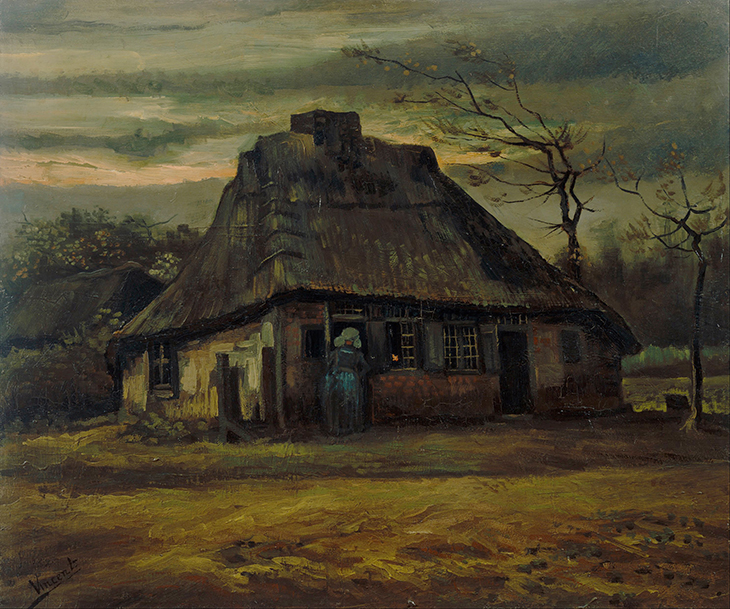
Oil on canvas, 66 x 79 cm
Van Gogh Museum Amsterdam, Netherlands
The hut you are standing in is based on this typical motif by Vincent van Gogh. He called these modest farmhouses “People’s Nests“, emphasizing their protective effect.
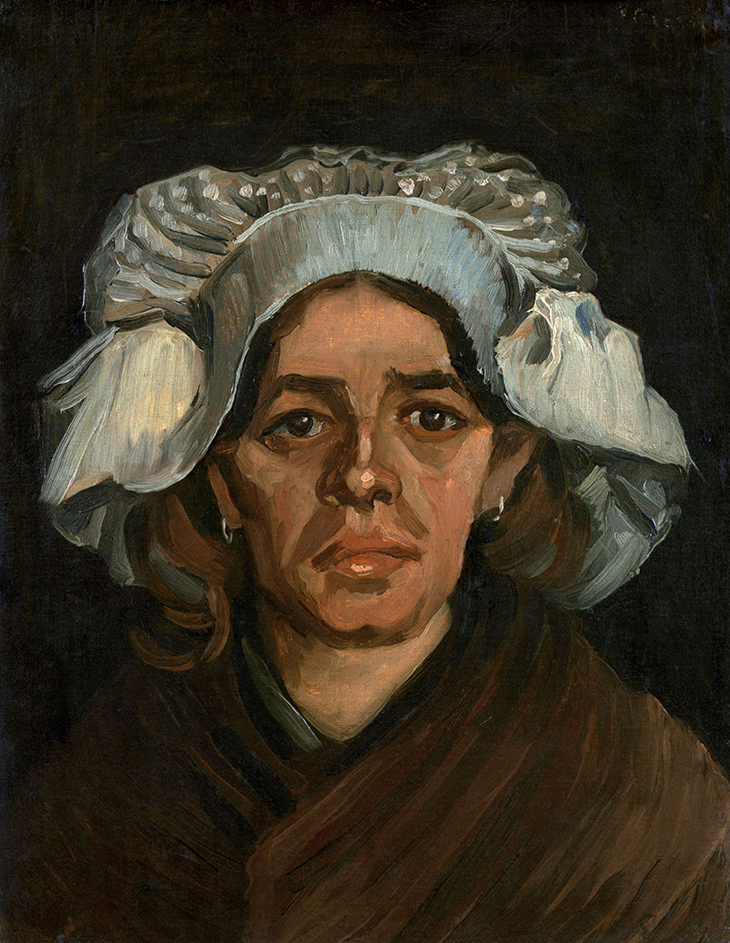
(Gordina de Groot), March 1885
Oil on canvas, 33 x 43 cm
Van Gogh Museum Amsterdam, Netherlands
Van Gogh painted a lot in series. In the spring of 1885, he produced many portraits of peasant women. He was fascinated by the contrast between their traditional white hoods and their dark, weather-beaten faces.
Among the peasant portraits of this period, this is the only one where the name of the model is known: Gordina de Groot. She can also be seen in the painting “The Potato Eaters“.
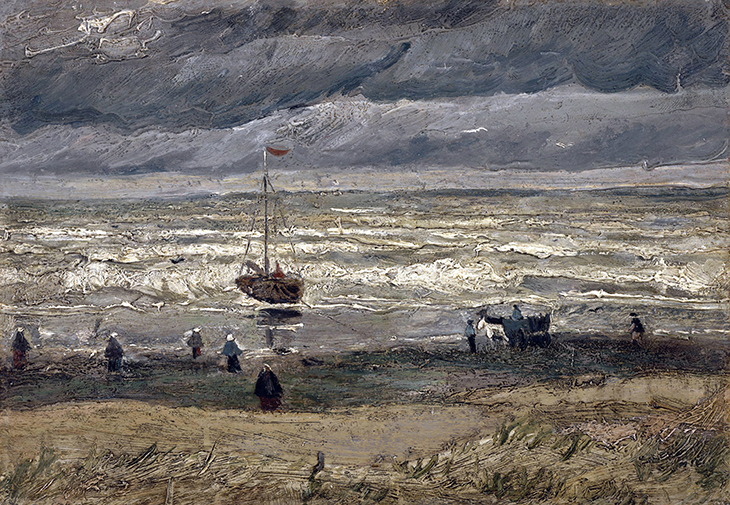
Oil on paper on canvas, 36 x 52 cm
Van Gogh Museum Amsterdam, Netherlands
“The waves followed each other so quickly that one displaced the other and the collision of the water masses created a kind of foam […], all the more impressive if you watched it for longer as it made so little noise. The sea had the color of dirty soapy water.“
This is how Vincent described the painting in a letter to his brother Theo on August 26, 1882. He showed himself to be a precise observer of the forces of nature and captured them just as precisely on canvas.
Artistically a child of his time
Vincent van Gogh was born at the dawn of industrialization. He was particularly fascinated by the looms in the cramped farmhouses. In April 1884, he told his brother Theo: “‘I shall still have a lot of hard work on these looms – but in reality the things are so beautiful – all that old oak wood against a grayish wall – that I think it is right to paint them.“ Van Gogh thought intensely about the effect and message of his paintings. His desire was to touch people, to awaken their fascination and to explain the world through painting – be it through a loom or the beauty of nature.
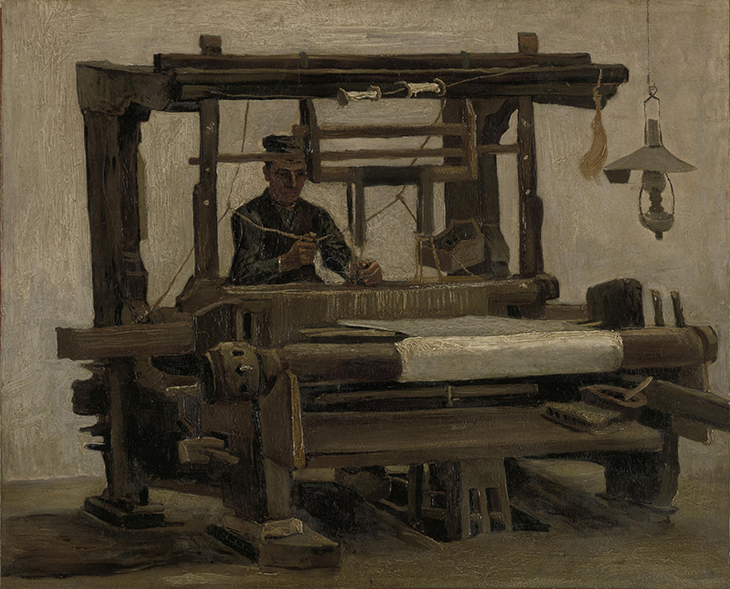
Oil on canvas, 70 x 85 cm
Kröller-Müller Museum, Netherlands
In front of the bright wall, the figure of the weaver almost merges with the mighty machine. The light from the small lamp on the right of the picture is not enough to illuminate the wall in the background so brightly. However, Van Gogh needs the bright surface to emphasize the details of the loom.
Still life – the beginning of everything
Still lifes are a painterly challenge – the aim is to elicit the poetry of the moment from the simple motifs through the use of light, painting technique and color, to create a tangible mood or overarching meaning. Vincent van Gogh’s artistic development from the dark beginnings to the brightly shining sunflowers can be seen in the more than 170 still lifes he created.
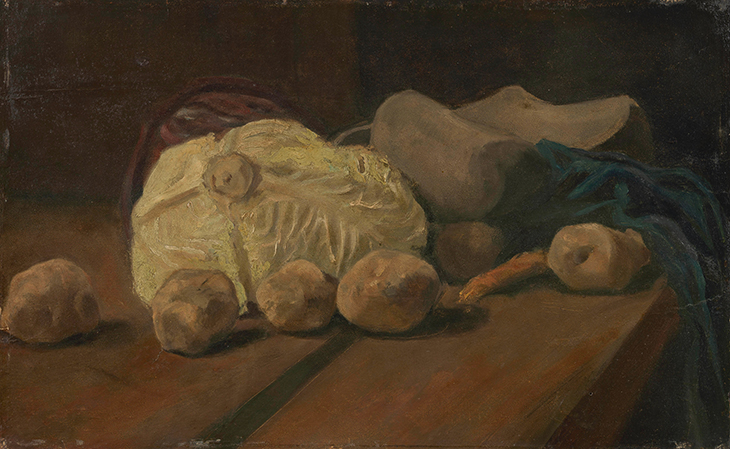
Oil on paper on wood, 35 x 55 cm
Van Gogh Museum Amsterdam, Netherlands
This still life is one of Van Gogh’s earliest paintings. In this first attempt in oil, Vincent is still struggling with the surfaces of the various materials.
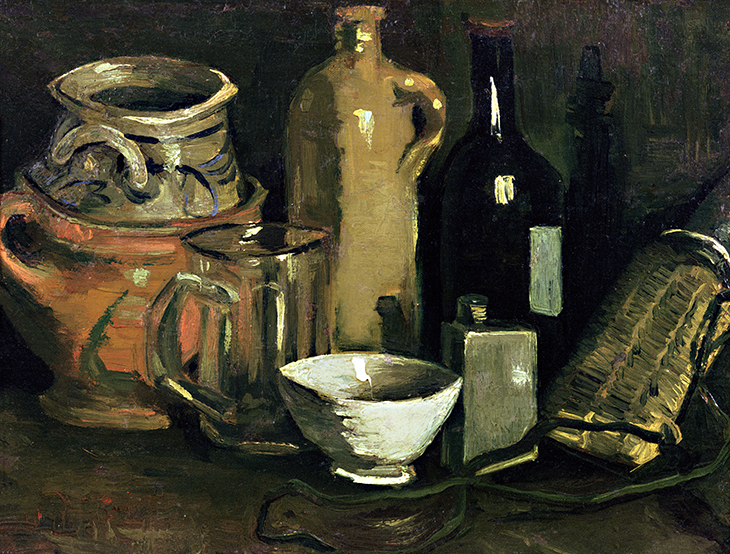
Oil on canvas on wood, 31 x 41 cm
Private collection, USA
A typical portrait of his time. Here, Van Gogh uses pottery and glassware as his motif. These were among the first goods that factories were able to produce on a mass scale.
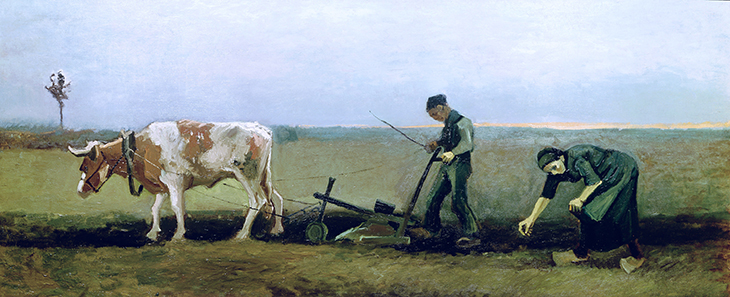
Oil on canvas, 71 x 170 cm
Von der Heydt-Museum Wuppertal, Germany
Guest article: Image description by Dr. Roland Mönig, Director
Von der Heydt-Museum, Wuppertal
The picture belongs to a group of paintings that the Eindhoven goldsmith Antoon Hermans ordered in 1884 to decorate a room in his house. They were intended to illustrate the four seasons using depictions from the lives of farmers. Van Gogh chose as his motifs the sower, the ploughman, the harvest, potato planting and – for winter – a shepherd with an ox cart.
The Wuppertal painting is the most famous piece from this cycle, which has only survived in fragments. It marks a high point in this phase of the artist’s work. The painting derives its special effect from the streak of light on the horizon – a precisely observed natural phenomenon that undoubtedly also had religious significance for the deeply religious Van Gogh.
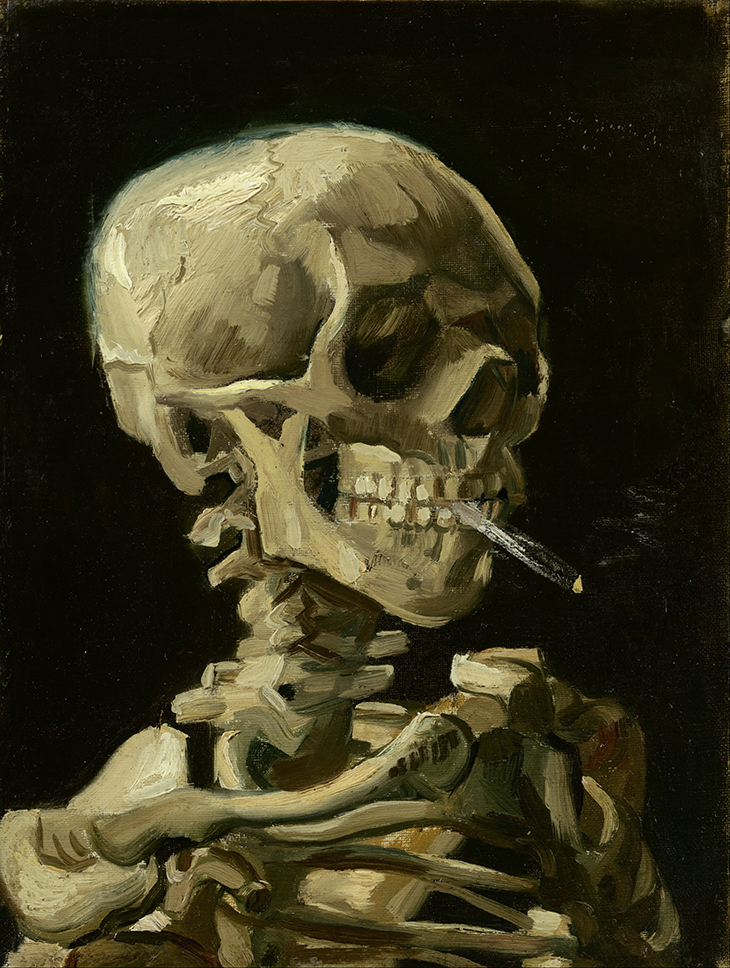
Oil on canvas, 32 x 25 cm
Van Gogh Museum Amsterdam, Netherlands
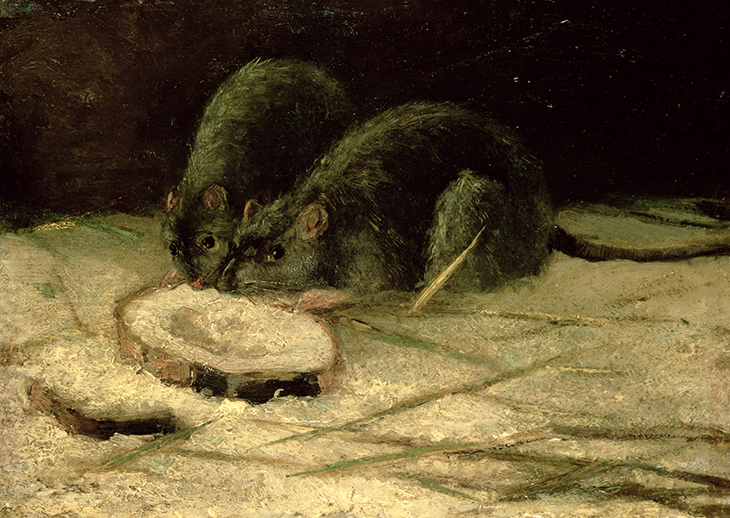
Oil on wood, 30 x42 cm
Private collection
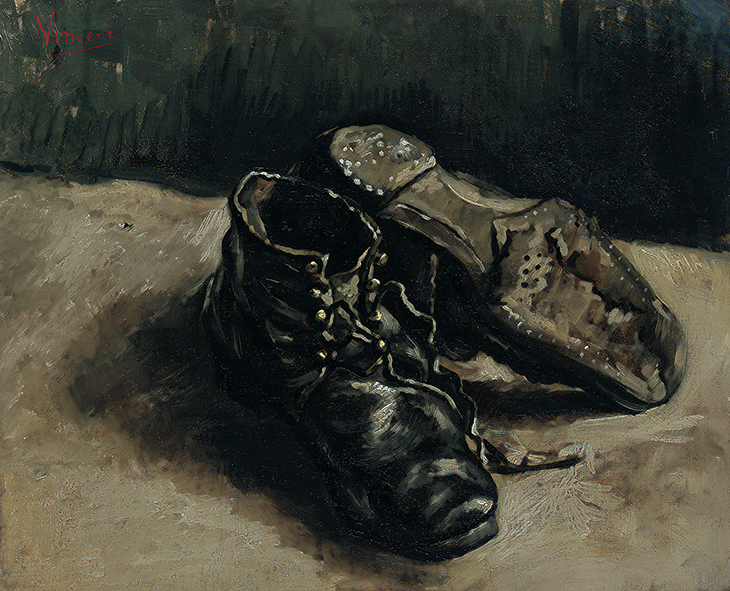
Oil on canvas, 38 x 46 cm
Private collection
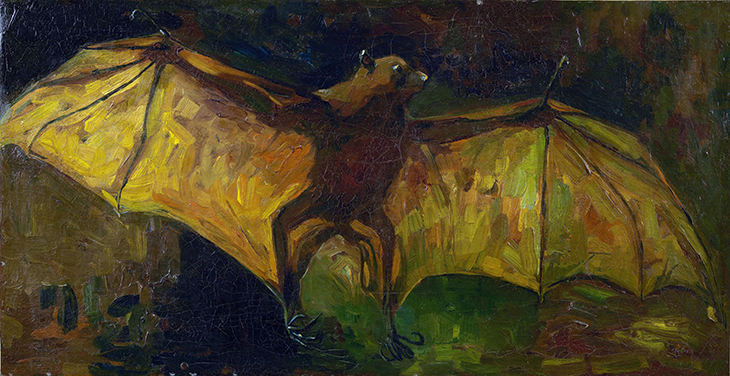
Oil on canvas, 41 x 79 cm
Van Gogh Museum Amsterdam, Netherlands