Arles – the dream of a lifetime
In May 1888, Vincent van Gogh rented his yellow house on Place Lamartine in Arles. For the first time in his life, he owned his own home and immediately began decorating the walls with paintings – including the ‘Sunflowers’ and the ‘Bedroom’. Here he wanted to fulfill his lifelong dream: an artists’ colony. Painters of all styles were to live and work together in his ‘Studio of the South’. A place where they could create more together than they ever could on their own.
Vincent’s call went unheard – no one accepted his invitation. The three guest rooms in the yellow house remained empty. Only Paul Gauguin (1848-1903) visited Van Gogh at the end of October 1888 – after much persuasion and with the financial support of Vincent’s brother Theo.
A visit with consequences
The two artists could hardly be more different – both in their approach to art and in their personalities. Their opposing views repeatedly led to heated discussions that no longer allowed for compromise.
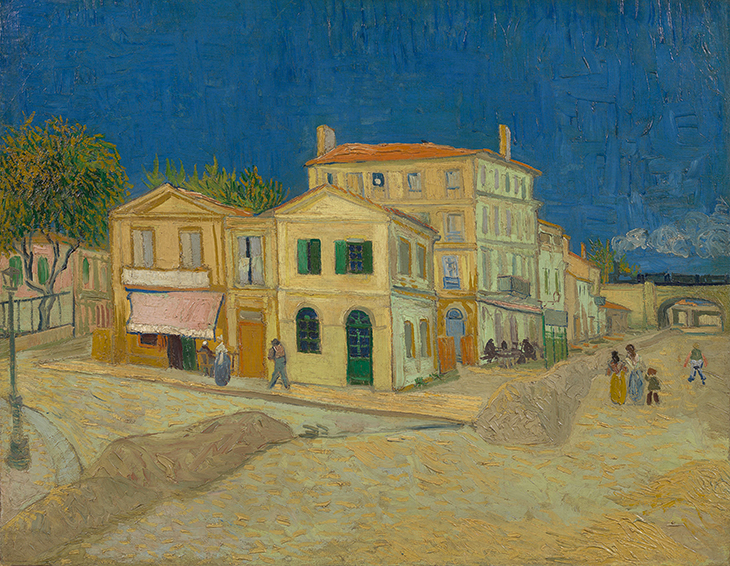
Oil on canvas, 72 x 92 cm
Van Gogh Museum Amsterdam, Netherlands
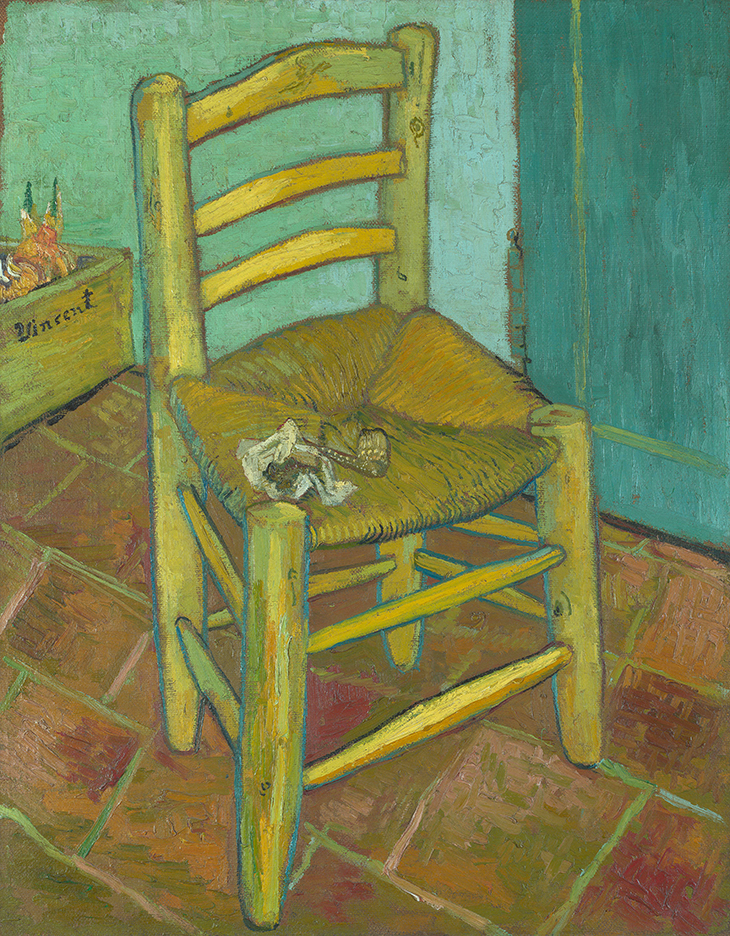
Oil on canvas, 93 x 74 cm
National Gallery London, Great Britain
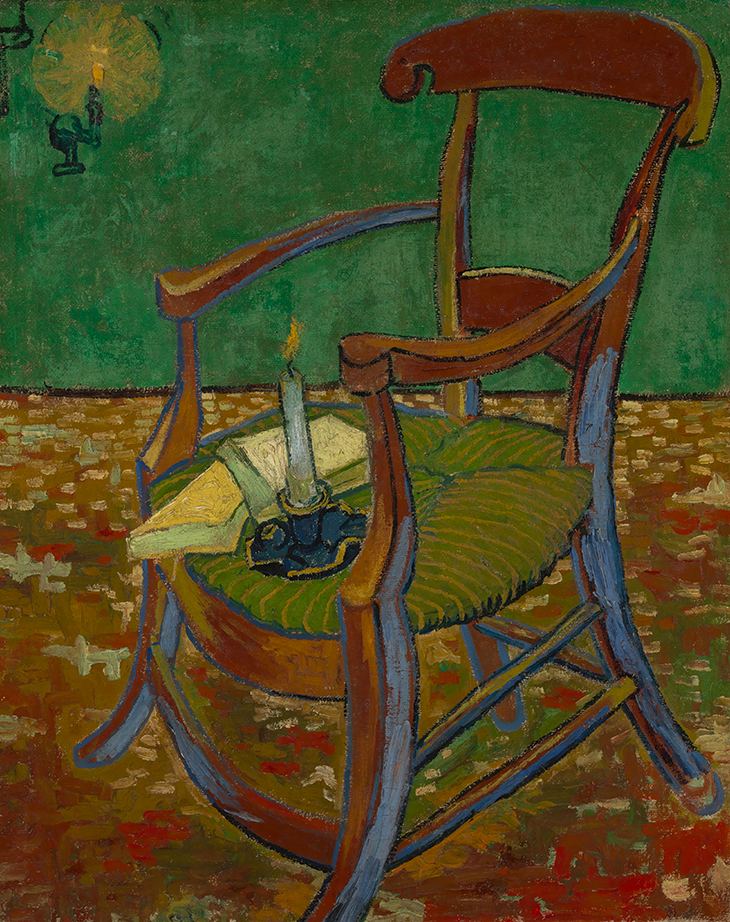
Oil on canvas, 91 x 73 cm
Van Gogh Museum Amsterdam, Netherlands
“The discussion is excessively electric. Sometimes we emerge from it with a tired mind, like an electric battery when it is discharged.“
Letter (726) to Theo, December 1888
At the end of December, Gauguin, the only guest, threatened to leave, which Vincent could not cope with. Shortly beforehand, he had also learned that his brother Theo was getting married, which exacerbated his already great fear of loneliness.
In desperation and probably also intoxicated by the absinthe, Van Gogh is even said to have threatened his friend Gauguin with a razor. The latter fled the scene. Later that evening, Vincent van Gogh cut off part of his ear, wrapped it in newspaper and gave it to a prostitute friend. Vincent was hospitalized with a high fever and signs of insanity.
The shattered dream
Vincent’s lifelong dream remained unfulfilled. He was never really able to recover from this. From then on, his seizures became regular. Fearing new episodes, he voluntarily admitted himself to the psychiatric clinic in Saint-Rémy in May 1889. He was only able to paint there during the healthy phases between seizures.
The sunflowers
The famous sunflowers once hung in Paul Gauguin’s room in the yellow house. Van Gogh created a total of seven large canvases with sunflowers – one of which was burnt during the Second World War and another is privately owned. The remaining five works are now in museums around the world.
With this series, Van Gogh wanted to demonstrate that he could create a picture in numerous variations with just a single color. For the first time, Van Gogh chose shades that went beyond the natural ‘yellow spectrum’ of the plant. Yellow with yellow and yellow in yellow – Vincent wanted the sunflowers in a room to shine like the stained glass windows in a Gothic cathedral. Today, the yellow tones of sunflowers have faded considerably.
Van Gogh deliberately opted for the ‘big yellows’. Other painters found them too rough and coarse, but Vincent liked their imperfection and often painted flowers that had already faded. Vincent wanted to be known as the sunflower painter. They became his trademark. At his funeral, many friends brought sunflowers, just as he had wished.
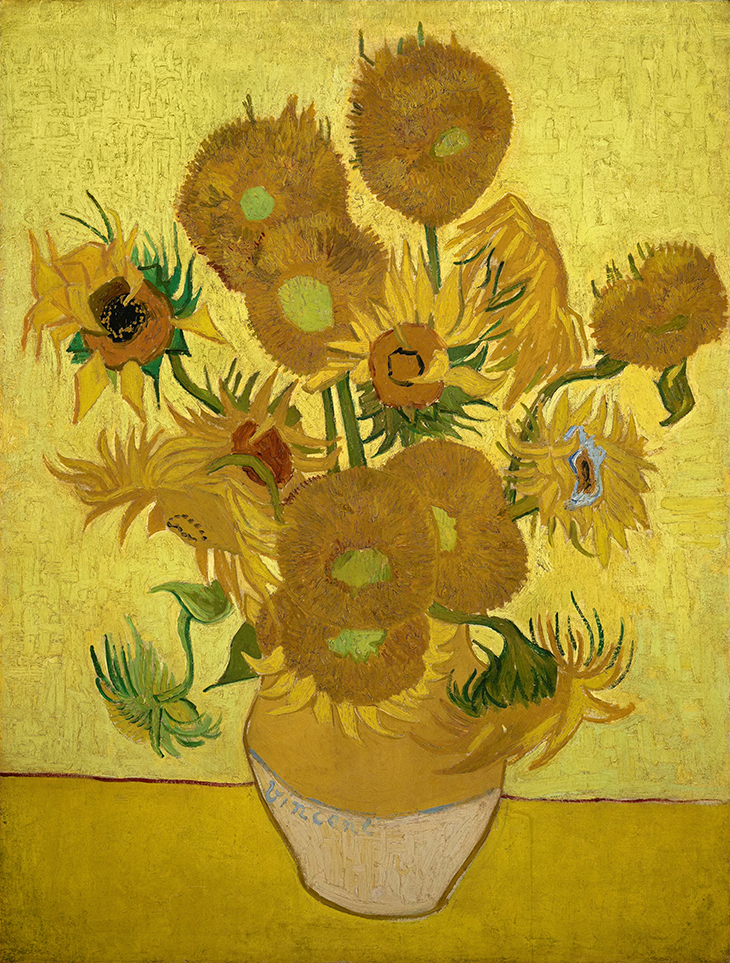
Oil on canvas, 95 x 73 cm
Van Gogh Museum Amsterdam, Netherlands
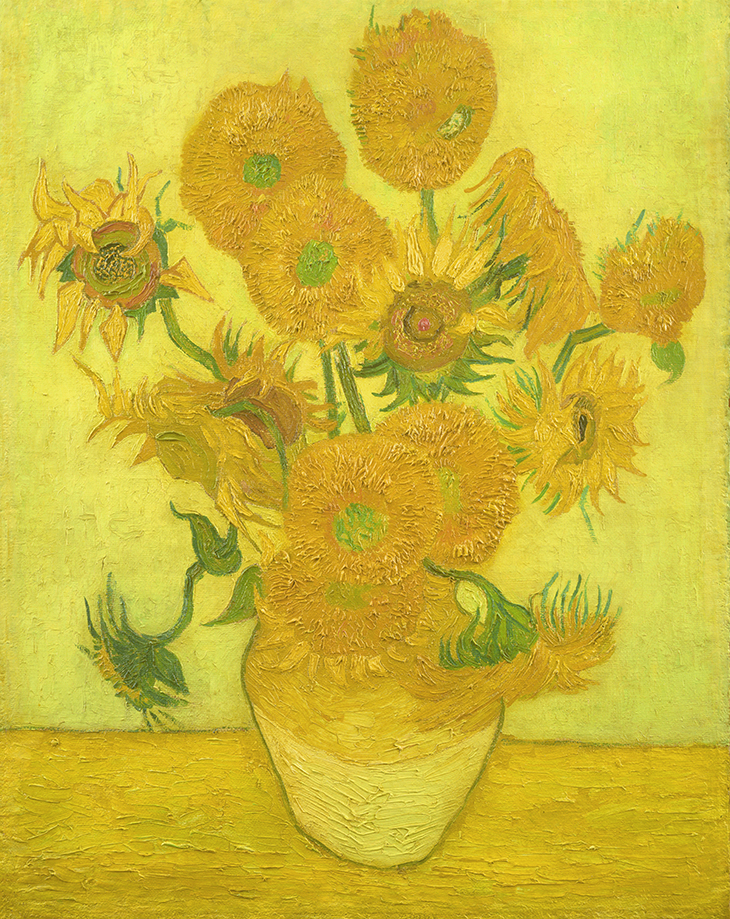
Oil on canvas, 95 x 73 cm
Sompo Museum of Art Tokyo, Japan
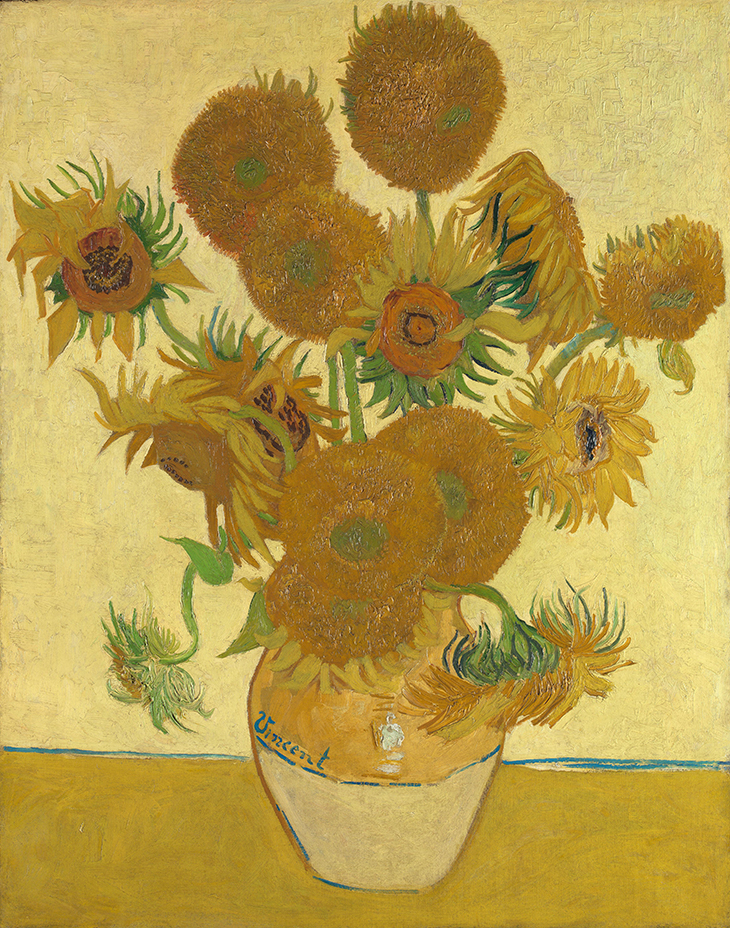
Oil on canvas, 93 x 73 cm
National Gallery London, Great Britain
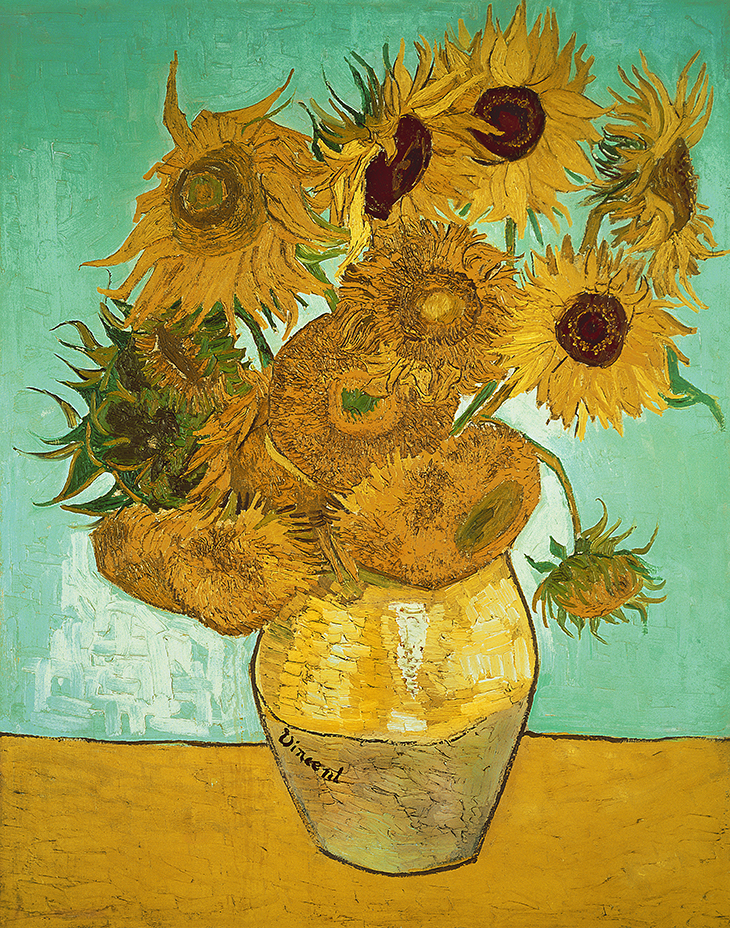
Oil on canvas, 91 x 72 cm
Neue Pinakothek Munich, Germany
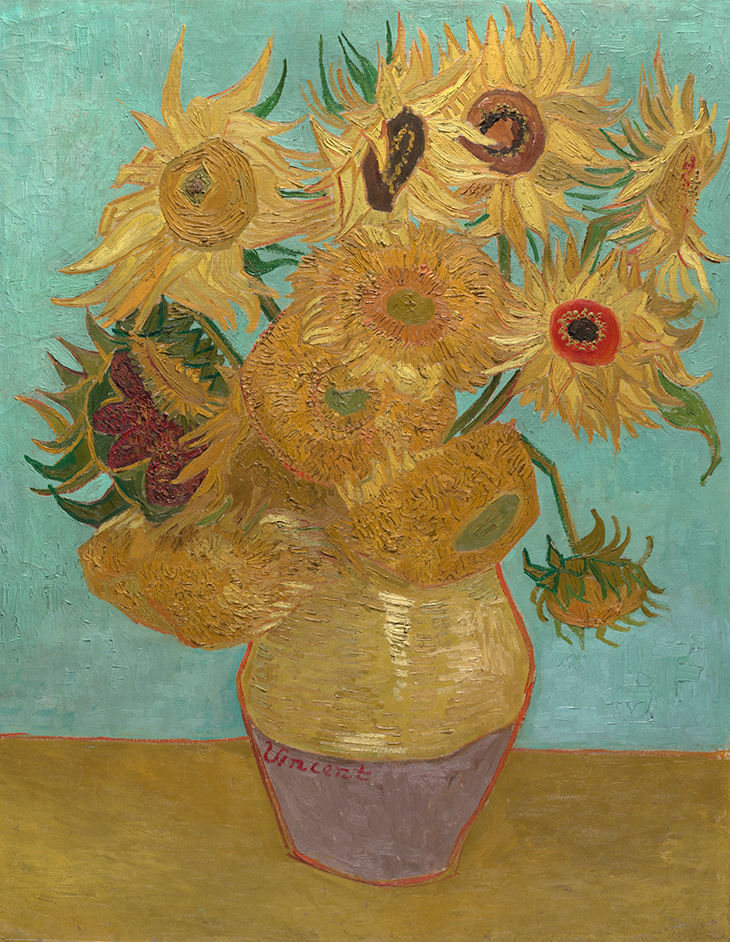
Oil on canvas, 92 x 73 cm
The Philadelphia Museum of Art, United States
The Room
‘The Room’ in the yellow house was one of Vincent van Gogh’s favorite paintings. With the complementary colors ochre and violet and the deliberately inconsistent perspective, he wanted to convey a feeling of absolute calm. Over time, however, the violet has faded to blue. Van Gogh painted the second version from memory in the hospital in Saint-Rémy. The third version was created as a gift for his sister.
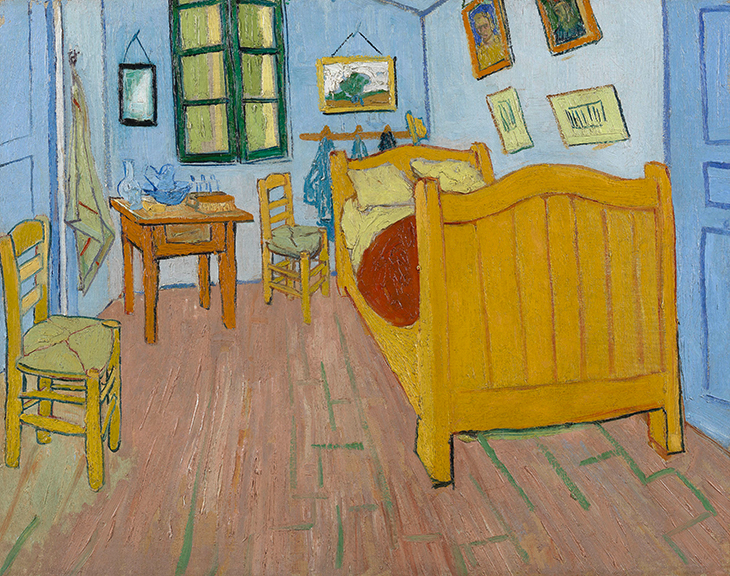
Oil on canvas, 72 x 91 cm
Van Gogh Museum Amsterdam, Netherlands
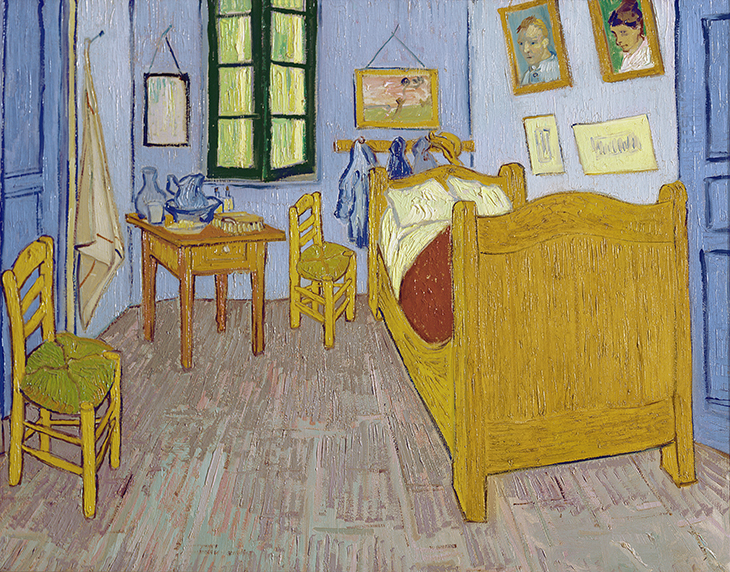
Oil on canvas, 57 x 74 cm
Musée d’Orsay Paris, France
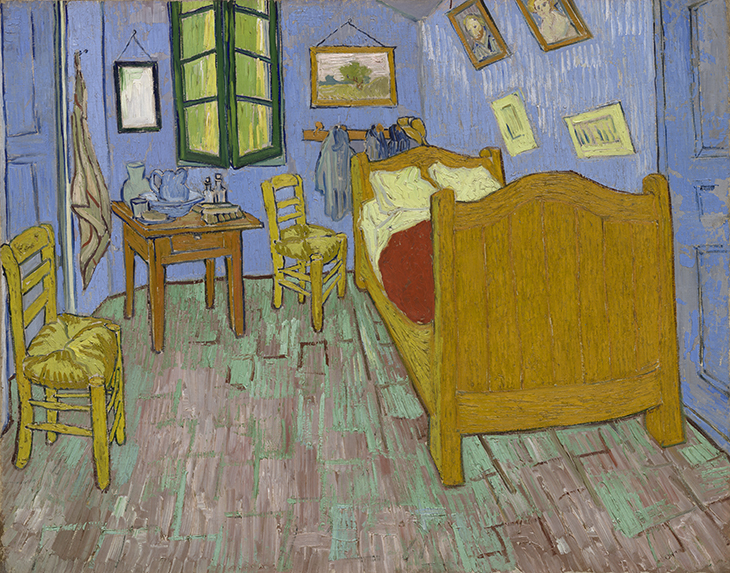
Art Institute of Chicago, United States
Genius through madness?
No! We will never know exactly what illnesses Vincent van Gogh suffered from. He had seizures typical of epilepsy or schizophrenia. As a result, his work was sometimes suspended for weeks at a time. In addition, he seems to have suffered from a kind of bipolar disorder (“happy-go-lucky,
sad to death“) made his social life very difficult. Both illnesses were exacerbated by excessive alcohol consumption. The most direct effect of his illnesses on his painting was the strong manic creative energy with which he threw himself back into his work as soon as he was healthy. Today, experts are certain that Van Gogh’s individual style and genius were not the result of his mental illness. He developed them despite his suffering.
The discovery of color
Exhausted by city life, Vincent van Gogh was drawn to the south, to Arles. Inspired by the Japanese cherry blossom, he wanted to paint the fruit trees there in spring. The ‘light of the south’ revealed the colors to Vincent van Gogh. From this point on, he painted in the radiant colors for which his late work is famous.
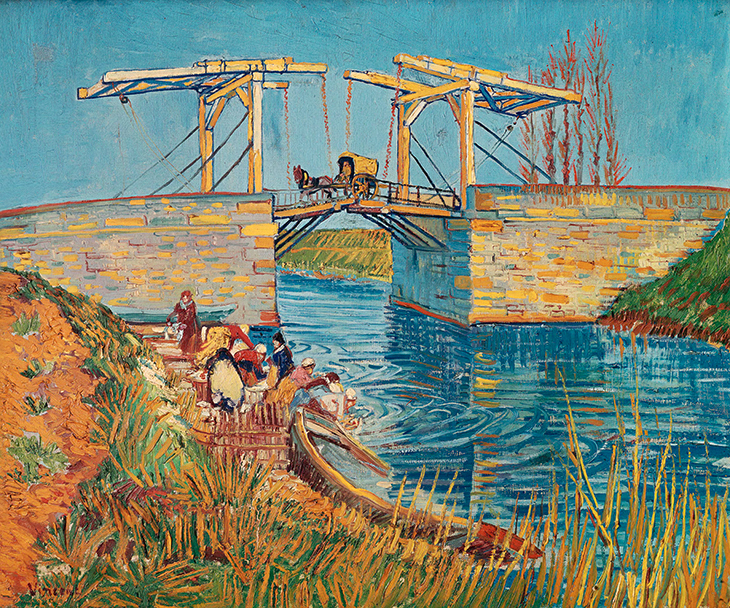
Oil on canvas, 54 x 65 cm
Kröller-Müller Museum Otterlo, Netherlands
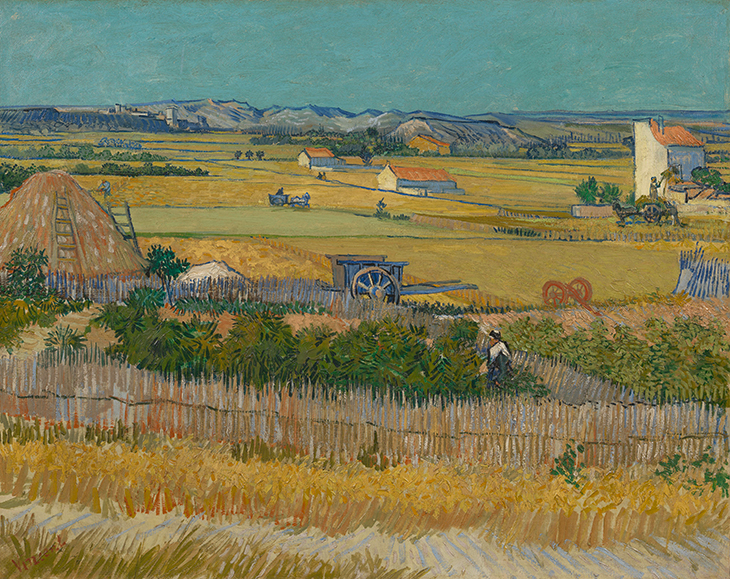
Oil on canvas, 73 x 92 cm
Van Gogh Museum Amsterdam, Netherlands
In this painting, Van Gogh captured the atmosphere of a summer’s day. He worked for days on end under the burning sun. Van Gogh combined the azure blue sky with more than 30 different shades of yellow and green for the land. Vincent himself considered it to be one of his most successful paintings.
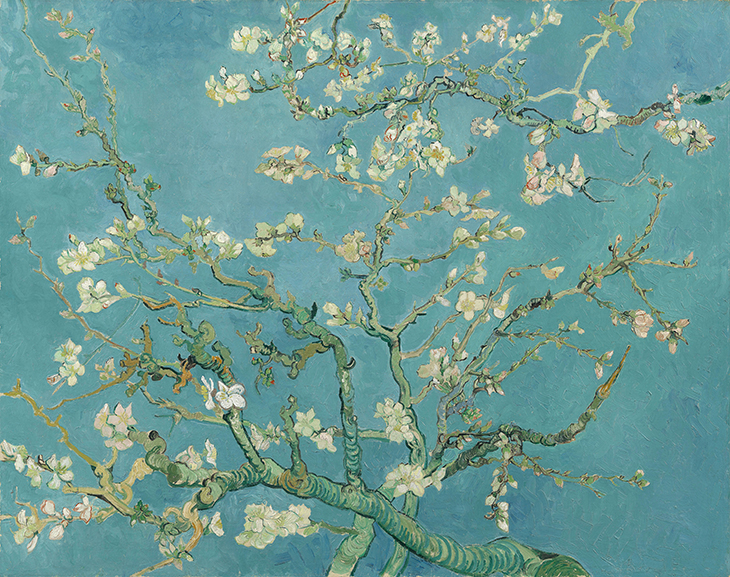
Oil on canvas, 73 x 92 cm
Van Gogh Museum Amsterdam, Netherlands
The almond tree is the first harbinger of spring and its large blossoms are a symbol of new life. The motif, the clear contours and the position of the tree in the picture are inspired by Japanese printmaking. The work is also known for the numerous shades of blue that Van Gogh used in the background.
This painting was Van Gogh’s gift for the birth of Vincent Willem, the son of his brother Theo and his wife Johanna. Theo wrote in a letter: “‘As we told you, we will name him after you, and I wish him to be as determined and courageous as you.“ Vincent Willem founded the Van Gogh Museum in Amsterdam in 1973.
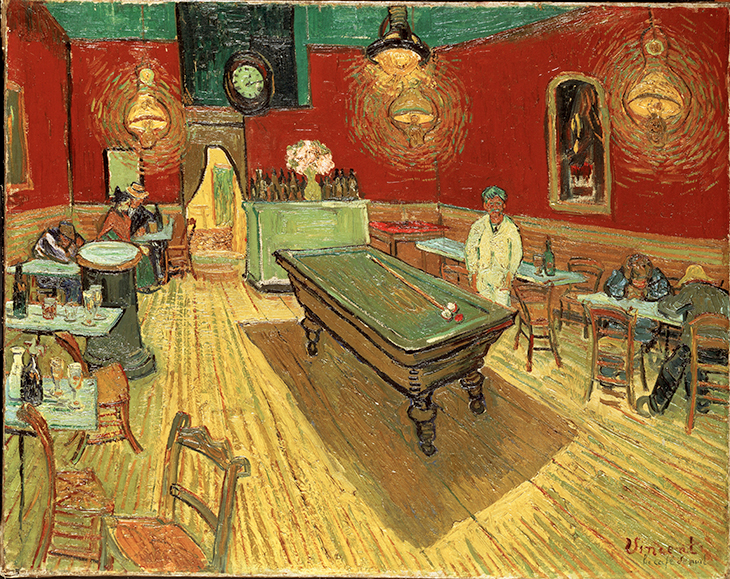
Oil on canvas, 70 x 89 cm
Yale University Art Gallery, United States
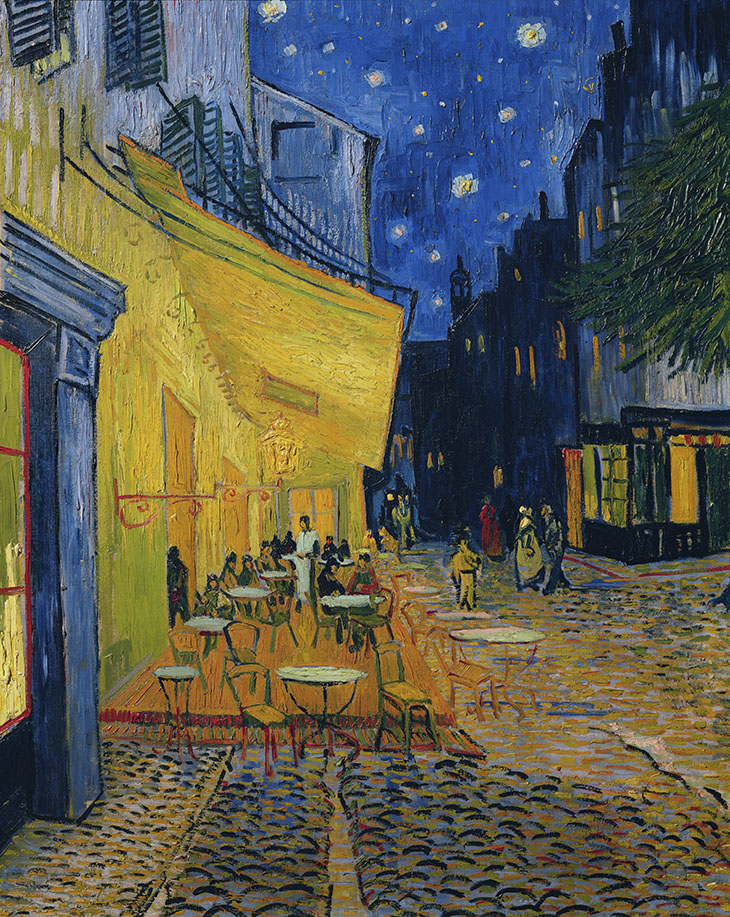
Oil on canvas, 81 x 66 cm
Kröller-Müller Museum Otterlo, Netherlands
The Terrace at Night
Night paintings are rare in art. Van Gogh approaches this challenge in an unconventional way. Instead of using black and gray tones, he employs a variety of colors. Vincent van Gogh wrote enthusiastically to his brother that he painted this picture entirely without black. All the dark tones that form the deep, dark blue contrast to the yellow-illuminated awning are mixed by himself. Van Gogh is satisfied with the effect: “I believe that the bright gaslight, which is yellow and orange, makes the blue stand out more strongly.”
How well Vincent van Gogh could observe is shown by the stars in the sky of the painting. They are depicted so accurately that it was possible to date the picture to the night of September 16 or 17, 1888.
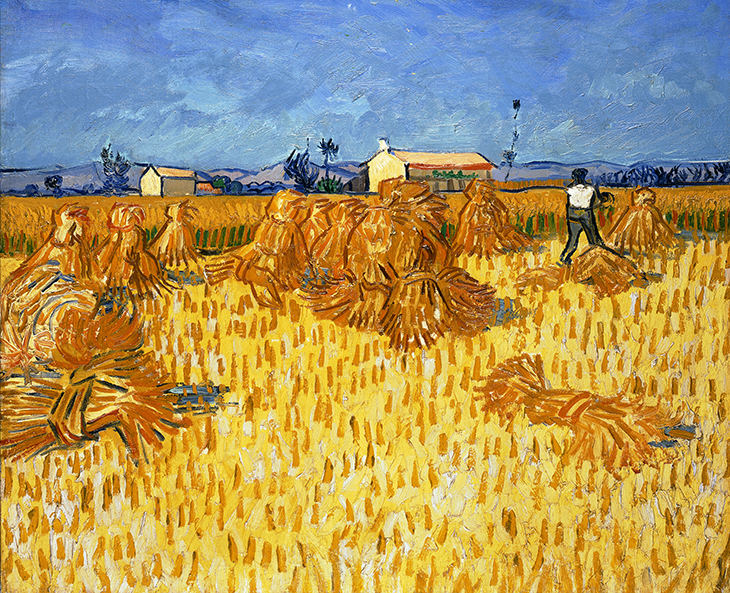
Oil on canvas, 50 x 60 cm
The Israel Museum Jerusalem, Israel
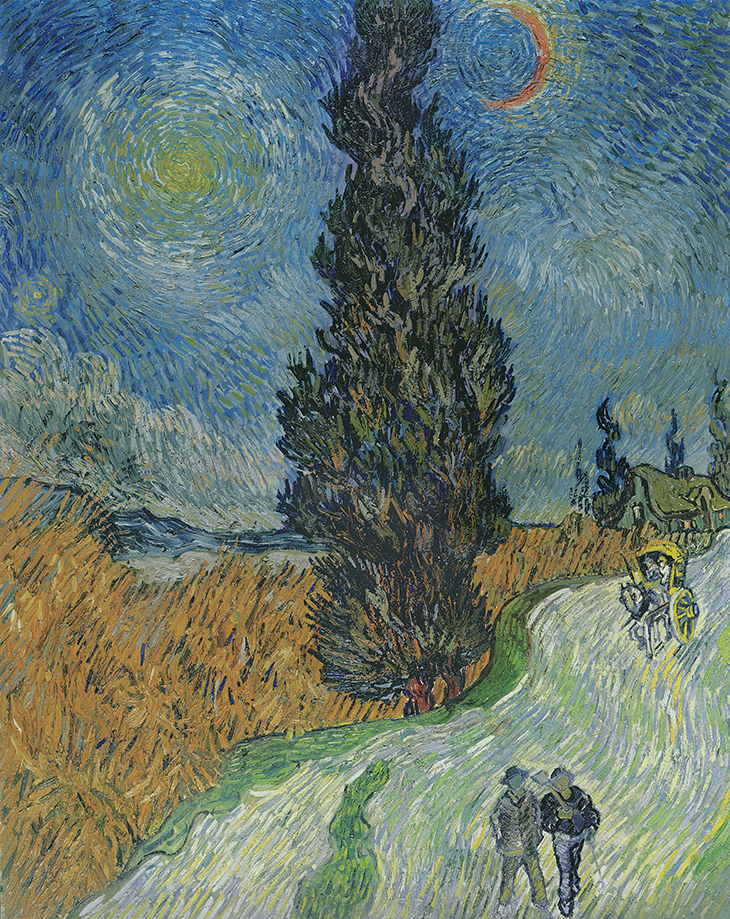
Oil on canvas, 92 x 73 cm
Kröller-Müller Museum Otterlo, Netherlands
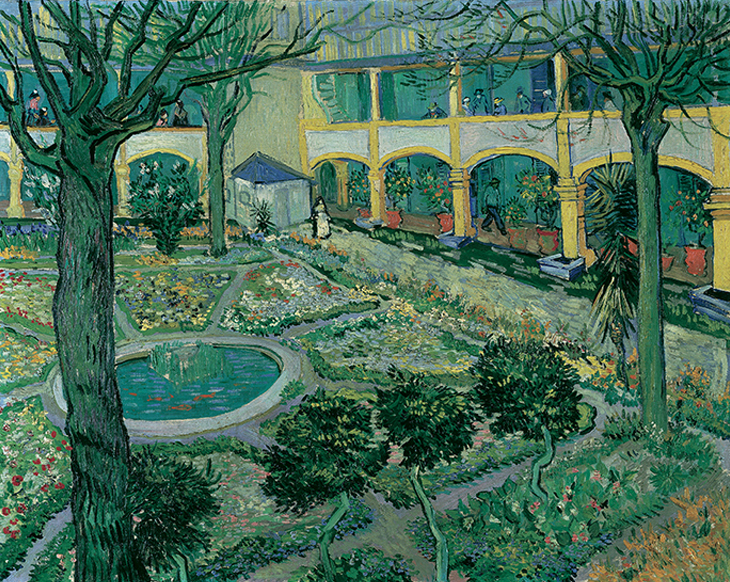
Oil on canvas, 73 x 92 cm
Oscar Reinhart Collection Winterthur, Switzerland
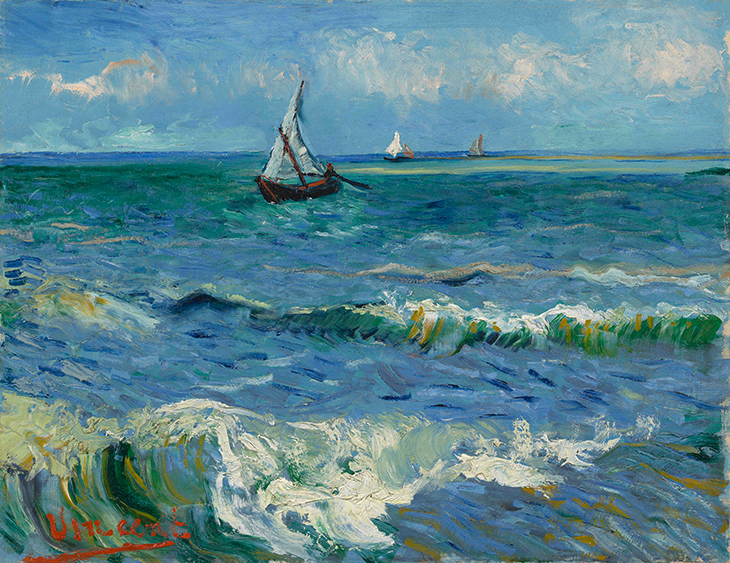
Oil on canvas, 51 x 64 cm
Van Gogh Museum Amsterdam, Netherlands
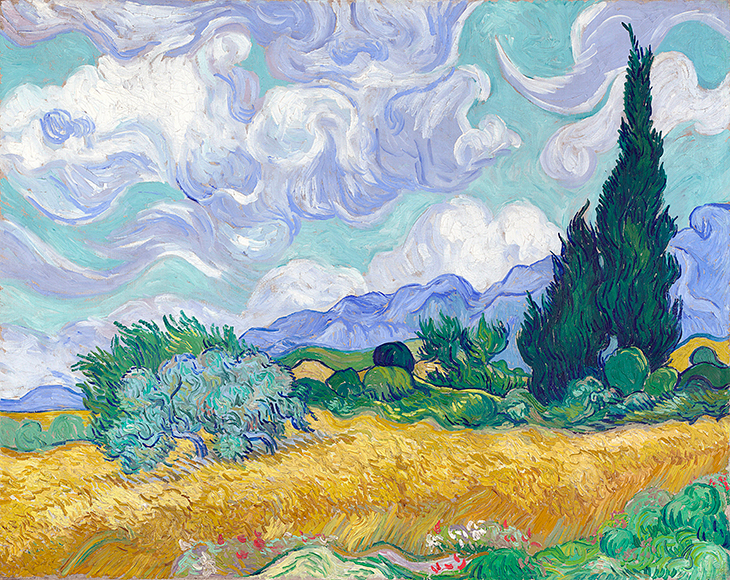
Oil on canvas, 72 x 91 cm
National Gallery London, Great Britain
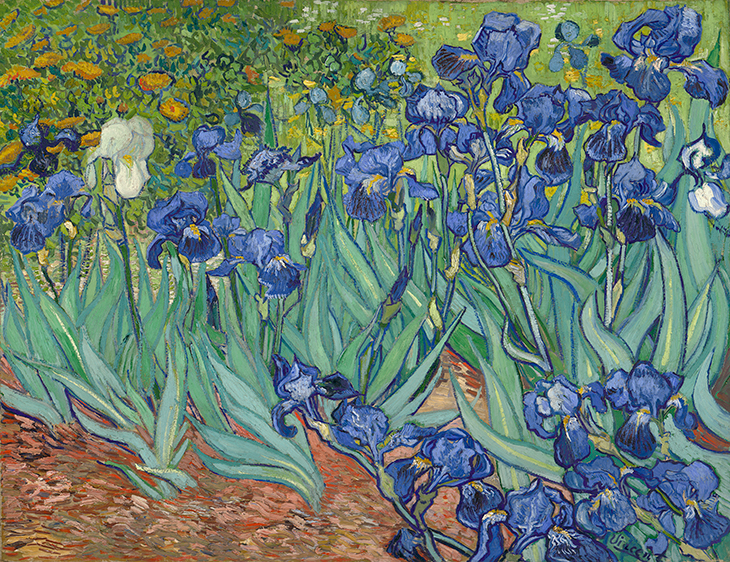
Oil on canvas, 71 x 93 cm
J. Paul Getty Museum Los Angeles, United States
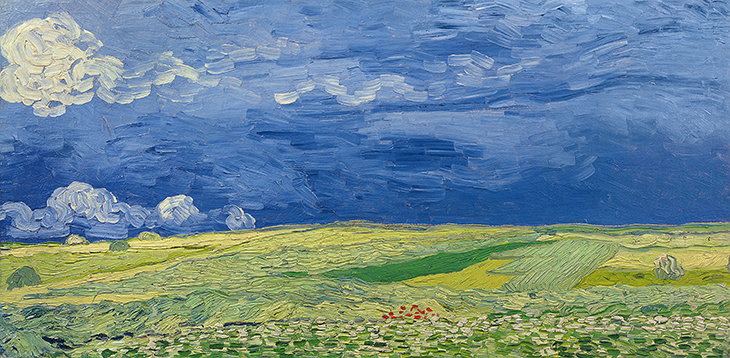
Oil on canvas, 50 x 100 cm
Van Gogh Museum Amsterdam, Netherlands
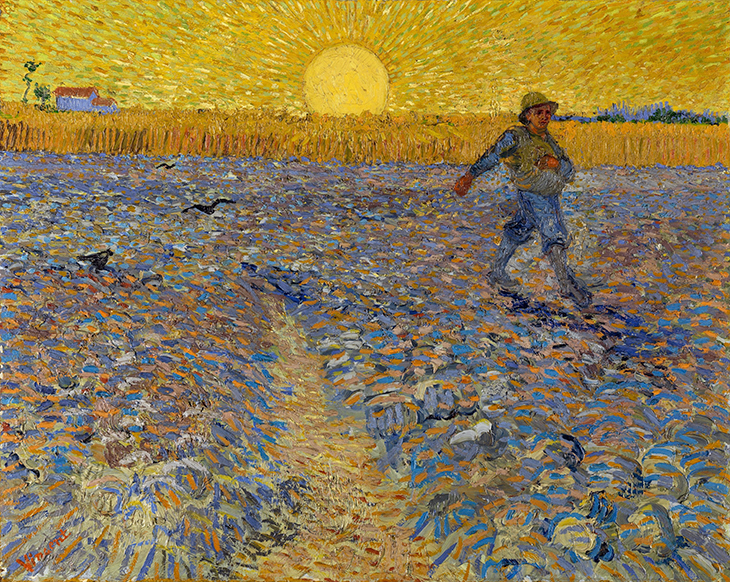
Oil on canvas, 64 x 81 cm
Kröller-Müller Museum Otterlo, Netherlands
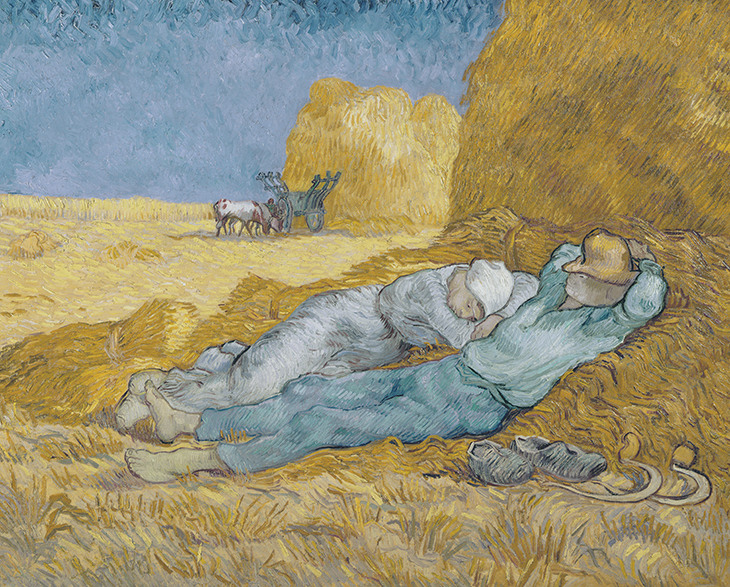
Oil on canvas, 73 x 91 cm
Musée d’Orsay Paris, France
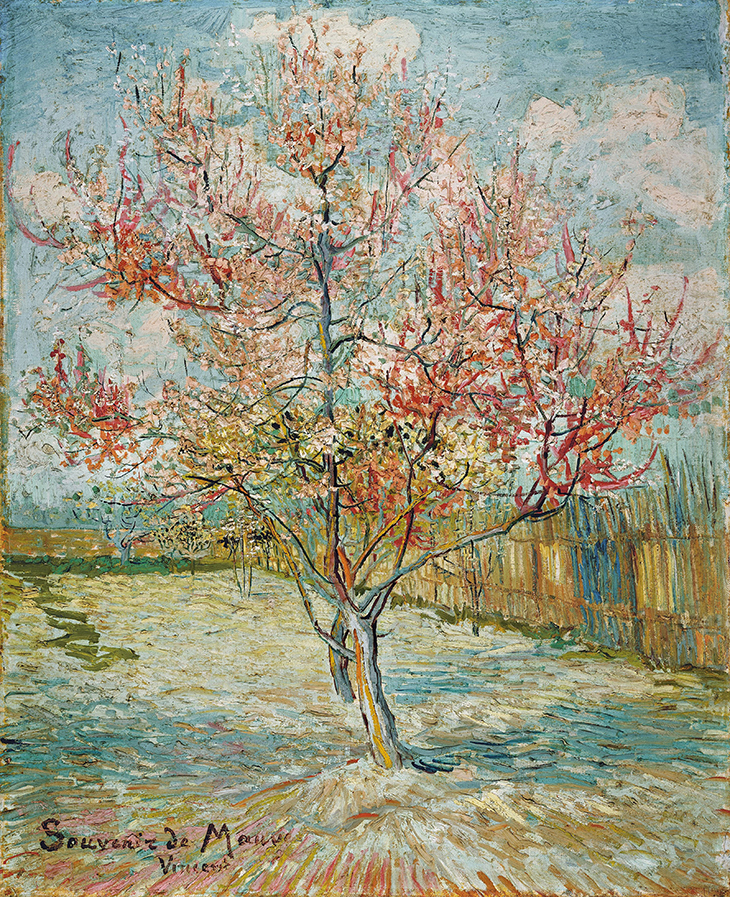
Oil on canvas, 73 x 60 cm
Kröller-Müller Museum Otterlo, Netherlands
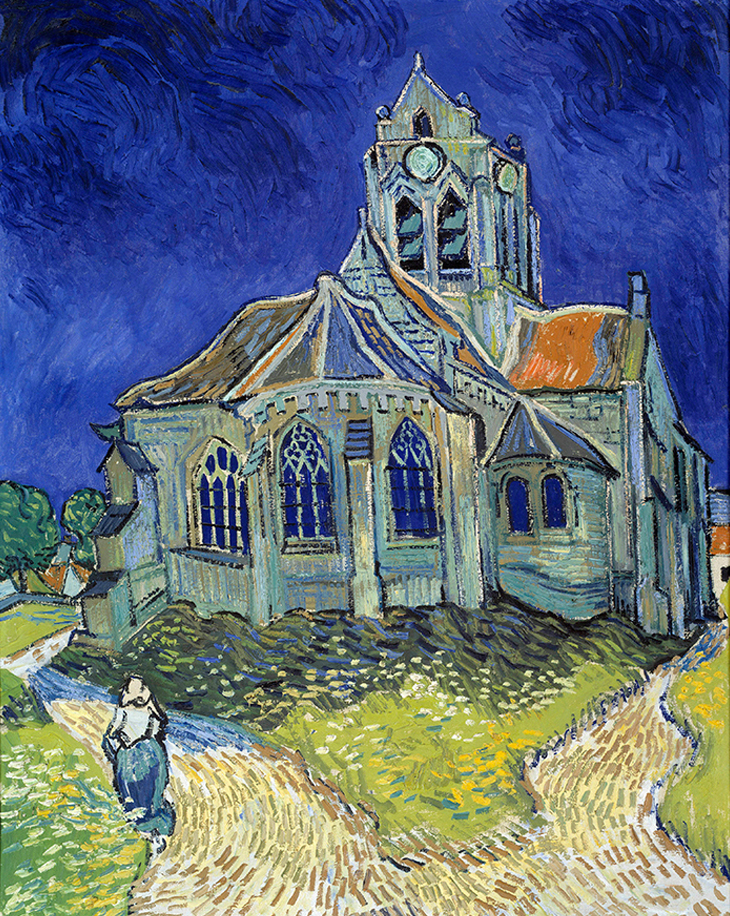
Oil on canvas, 94 x 74 cm
Musée d’Orsay Paris, France
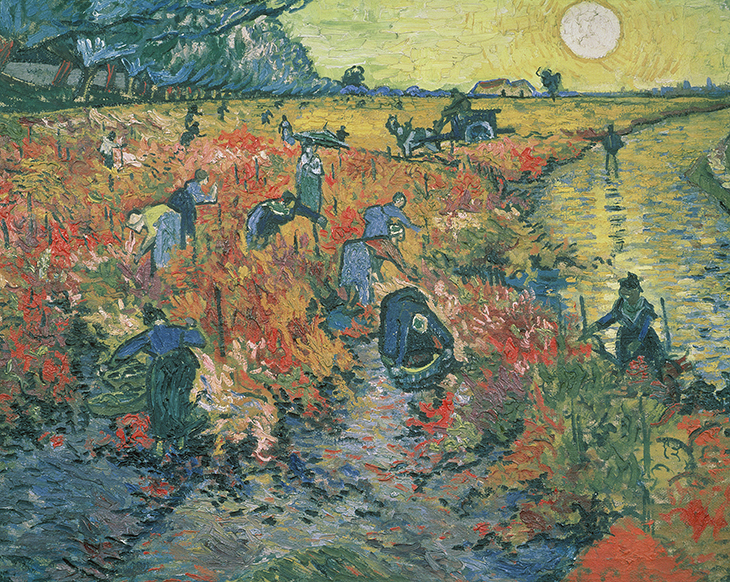
Oil on canvas, 75 x 93 cm
Pushkin Museum Moscow, Russia
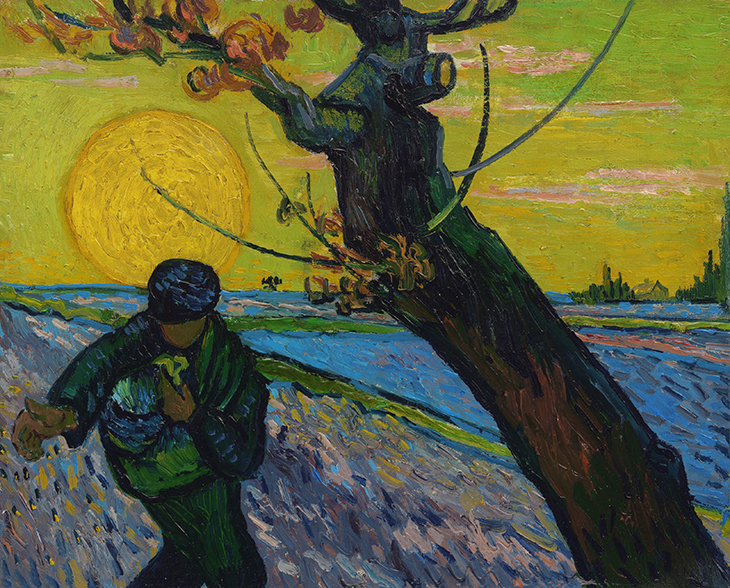
Oil on jute on canvas, 74 x 93 cm
Emil Bührle Collection, Kunsthaus Zurich, Switzerland
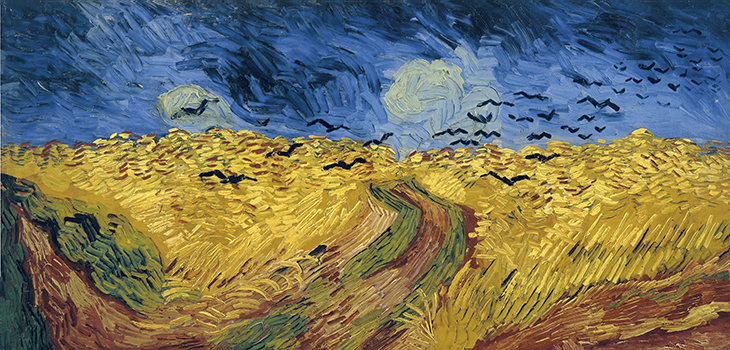
Oil on canvas, 51 x 103 cm
Van Gogh Museum Amsterdam, Netherlands
This painting was long thought to be Van Gogh’s last. Probably also because its mood seems so ominous – the crows as messengers of approaching death. Unfortunately, it is not true: Vincent van Gogh began ‘The Tree Roots’ on the day of his death, according to his brother-in-law Andries Bonger.
The last days in Auvers
The 70 days in Auvers were full of creative energy and confidence. Van Gogh created over 70 paintings here. Why Vincent van Gogh wanted to end his life there on July 27, 1890 remains a mystery to this day. In a letter to Vincent’s brother Theo, his brother-in-law Andries Bonger describes the beginning of Van Gogh’s last day as completely normal: “On the morning of the fatal shot, he had still painted a forest scene, full of sunshine and life.“ On the evening of July 27, however, Vincent dragged himself into his room with a bullet from a revolver in his stomach. The bullet, which he had probably fired himself, was still lodged in his spine. Theo rushed over from Paris, but two days later, on July 29, Vincent van Gogh died from the effects of his injury at the age of just 37.
The body was laid out in the Ravoux restaurant. His close friend Émile Bernard described the scene with the words:
“The coffin was already closed. I was too late to see again the man who had left me four years ago full of all kinds of hope […]. All his last paintings had been hung on the walls of the room where his body was laid out, forming a kind of halo for him, and the flash of genius they radiated made this death all the more painful for the artists. […] the sunflowers he loved so much, yellow dahlias, yellow flowers everywhere. This was, as you well remember, his favorite color, the symbol of light that he dreamed into hearts as well as into works of art.“
On July 30, Vincent van Gogh was laid to rest in the Auvers-sur-Oise cemetery with great sympathy from friends, family and fellow artists.
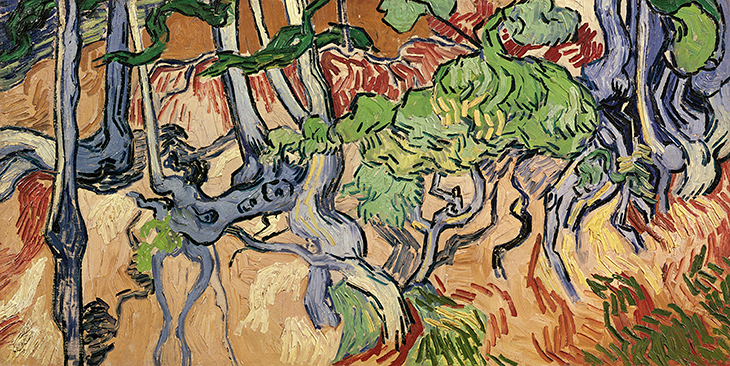
Oil on canvas, 50 x 100 cm
Van Gogh Museum Amsterdam, Netherlands
In what is probably his very last painting, Vincent van Gogh depicts abstract forms. Only at second glance does it become clear that these are tree roots on a slope. The painting is unfinished. The mood of the light is that of a sunny afternoon. Experts conclude from this that he worked on it until shortly before his suicide at around 8 pm.