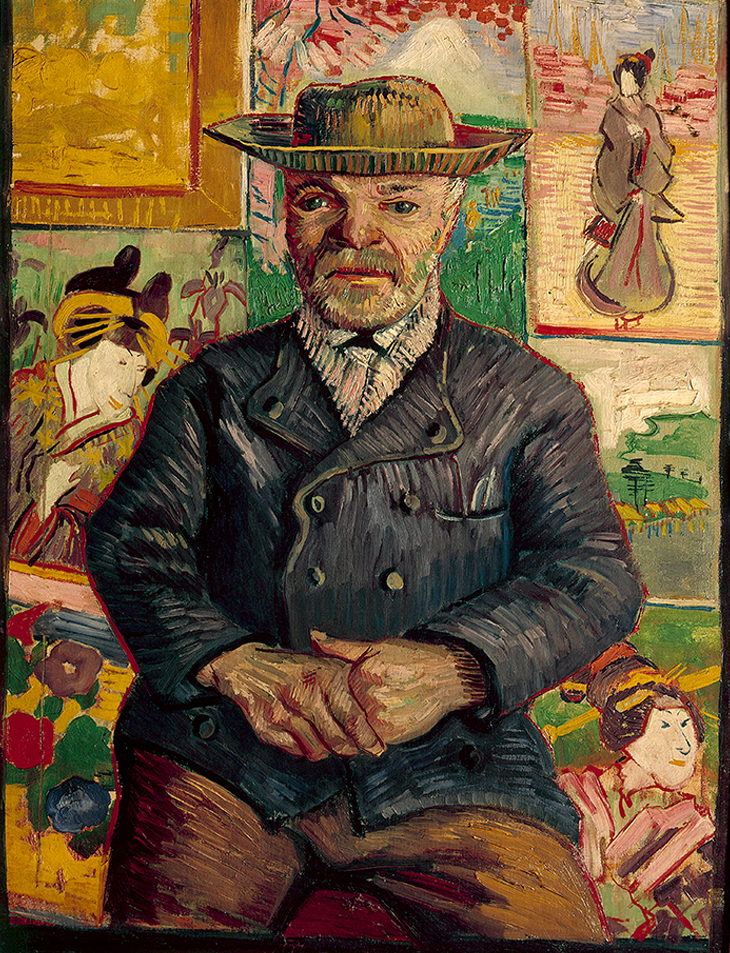
“Vincent was a great, a very great painter. The strongest of them all! His house was full of paint and I was the one who sold it to him! […] We both enjoyed redesigning the world. He didn’t always pay on time and I didn’t run after him. And then he sometimes complained because he was so demanding, the guy! But it was a fair game. Such heart, Vincent, and such talent! A giant like we rarely see.“
Père Tanguy (1825-1894), paint dealer
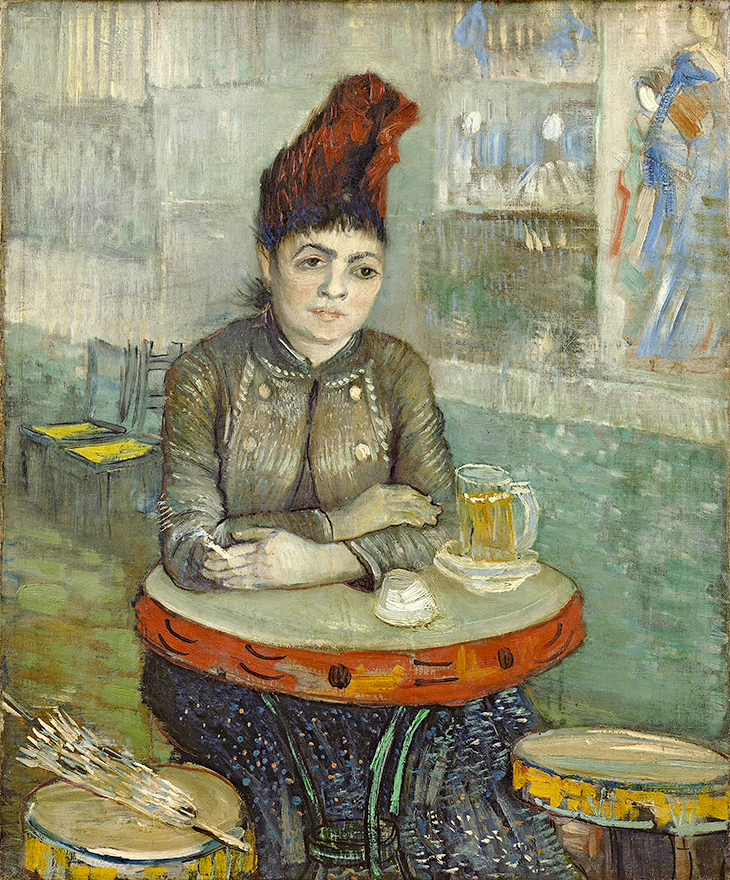
“In the spring of 1887, Vincent and I had a […] let’s say romantic relationship. It didn’t last very long. He was also […] Vincent! Friendly, generous, but he always messes things up. He often came to the Tambourin, the café I had founded. He exhibited dozens of paintings there, especially flower still lifes. And later those of his friends who were just as passionate as he was: Toulouse-Lautrec, Bernard […] the whole gang.“
Agostina Segatori (1841-1910), café owner, mistress
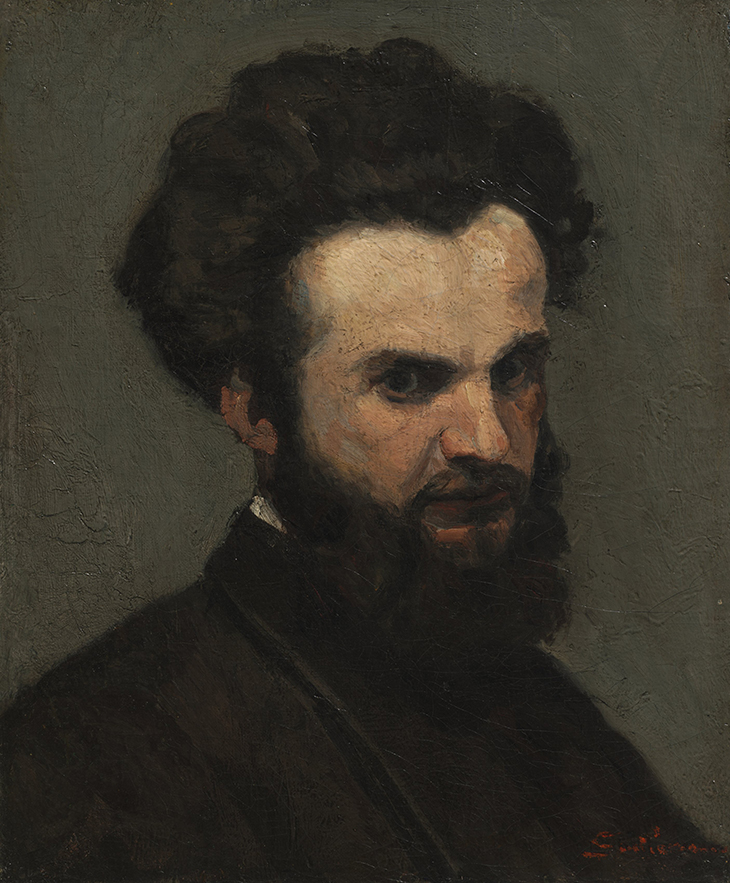
“Vincent […] how should one describe Vincent? The loyal and demanding friend who knew little about social conventions, but all the more about painting. He was a bon vivant who liked to party with Toulouse-Lautrec and little Bernard. He had divided the Impressionists into two categories: the small boulevard and the large boulevard. But he didn’t fit into either category.“
Armand Guillaumin (1841-1927), friend and painter
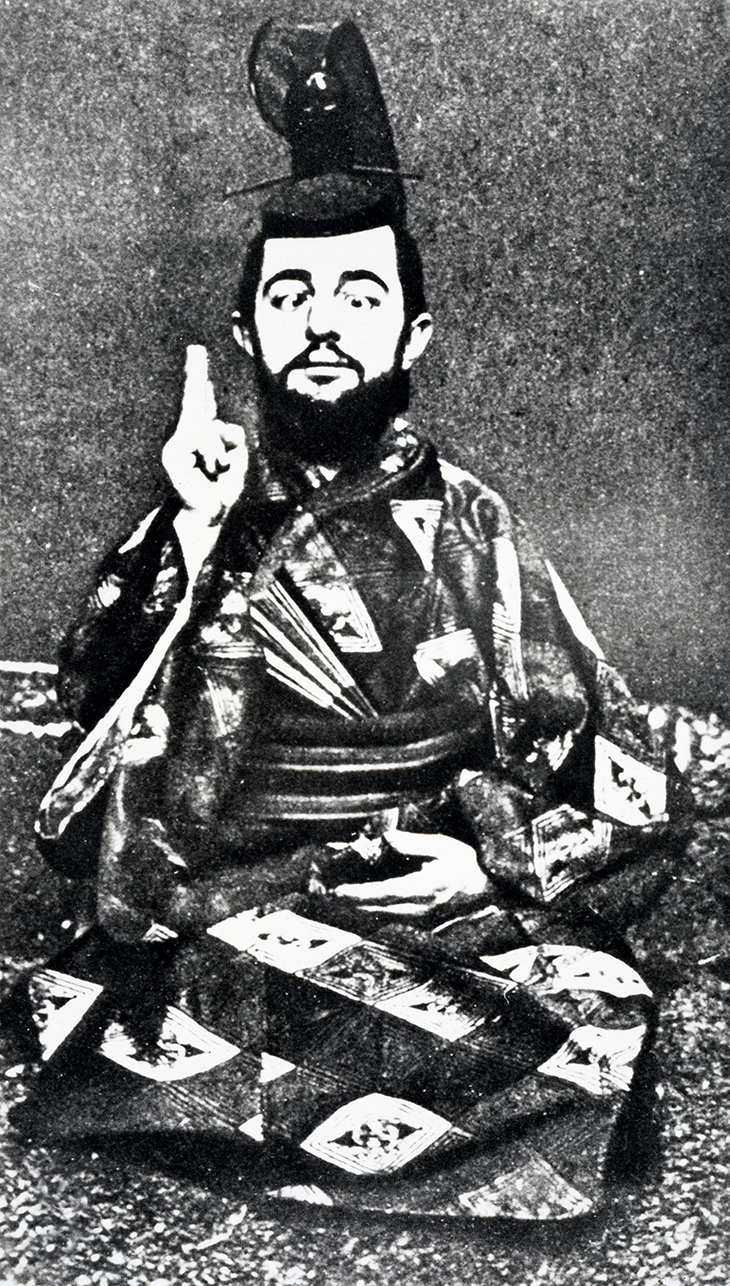
“My friend Vincent had drinks, friends and girls for a franc. What a laugh we had! They say he’s serious, and that’s true, but only when he was working or shouting at someone. When he was painting, he was inaccessible. I’ve never seen such strength of concentration. But apart from that […] A damn good party animal! A good pedigree, tremendous culture and so much humor. We cried, we laughed. He was my friend.“
Henri de Toulouse-Lautrec (1864-1901), friend and painter
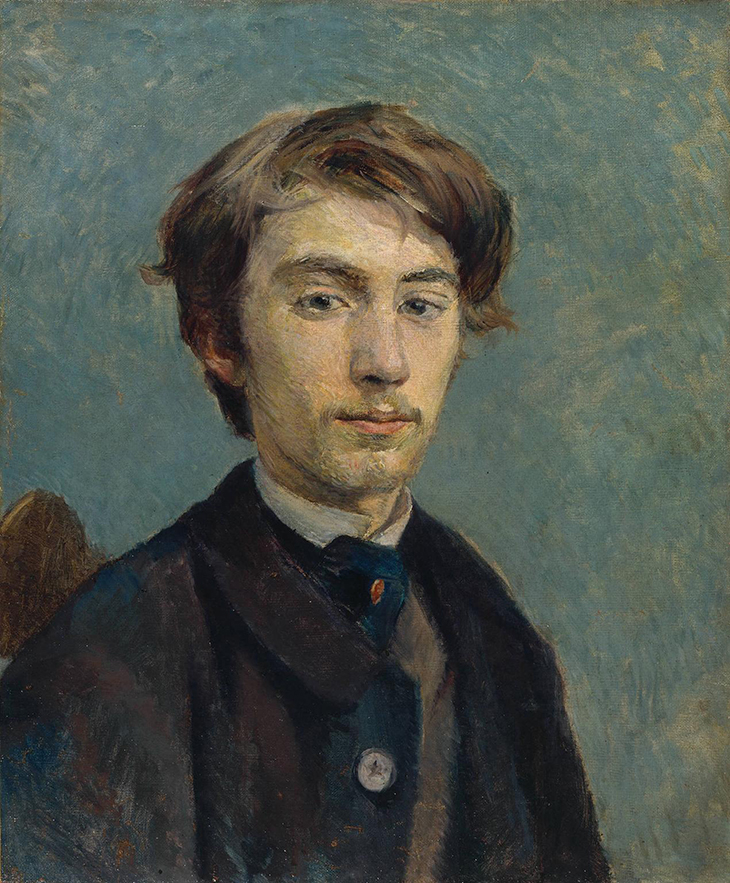
“I was 17 when Vincent cured me of my arrogance as a naive, sensitive teenager. With his kicks and well-placed roughness, he knew how to unsettle the paladin intoxicated by his poetry who had taken control of my personality. He taught me to see what I saw, to feel what I touched, to suffer from what touched me. I can still hear him shouting at me the hard words that lead to the truth. I buried him under the sun of Auvers, together with his brother. I loved him and I still do.“
Émile Bernard (1868-1941), friend and painter
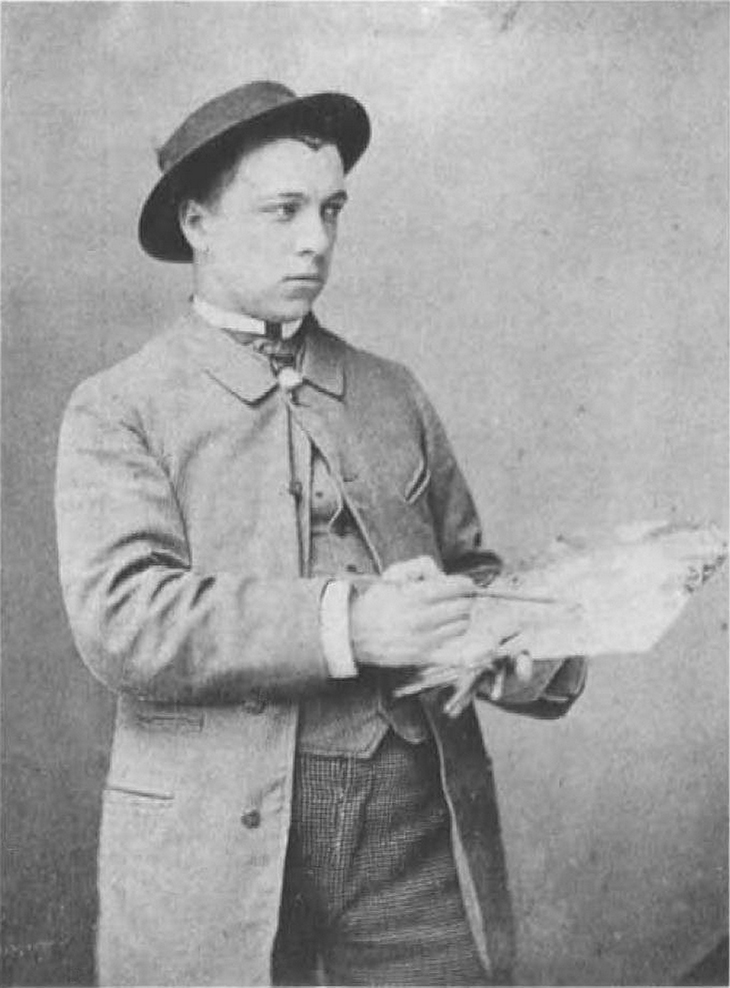
“Vincent van Gogh was a very dear friend. Boisterous, abrupt, but deep and fair. […] I often worked with him. But I had to keep a little distance because he gesticulated a lot and his brush didn’t just touch his canvases […] When he lost his mind, I visited him in Arles. He was aware of his condition. A great painter and an unrivaled designer.“
Paul Signac (1863-1935), friend and painter
Who was Vincent van Gogh?
Self-doubt and control
Like his compatriot Rembrandt, whose work he admired, Vincent van Gogh created dozens of self-portraits. They are moments of learning and intense self-observation. In a time without photos, films and cell phones, the portrait was a person’s ambassador and always also an examination of the self.
Van Gogh created most of his self-portraits with the help of a mirror. The left-right mirroring is particularly striking in the self-portraits with the bandaged left ear.
The time in Paris
In Paris, Vincent lived with his brother Theo. Both quickly became recognized figures in the day and night life of the artists’ and entertainment district of Montmartre. His work as a painter shaped the relationships Vincent made in the art world: he sought out models, exchanged paintings, collaborated with other painters and helped organize exhibitions.
As an art dealer, his brother Theo was in a position to sell avant-garde works at good
conditions. This made his friendship with Vincent particularly interesting for progressive painters such as Paul Gauguin. Sincere friendships developed with Paul Signac, Émile Bernard, Henri de Toulouse-Lautrec and the paint dealer Père Tanguy.
Vincent was always on the move. As a talker, drinker or painter, he explored the smallest corners of Paris to find his motifs. After two years of an intense and turbulent life, he moved to Provence.
The styles of his era
The juxtapositions shown here demonstrate Vincent van Gogh’s confrontation with the styles of his time. He understood and mastered all styles, but felt he belonged nowhere and remained a seeker – searching for his own way of expression.
Impressionism – capturing the mood of the moment
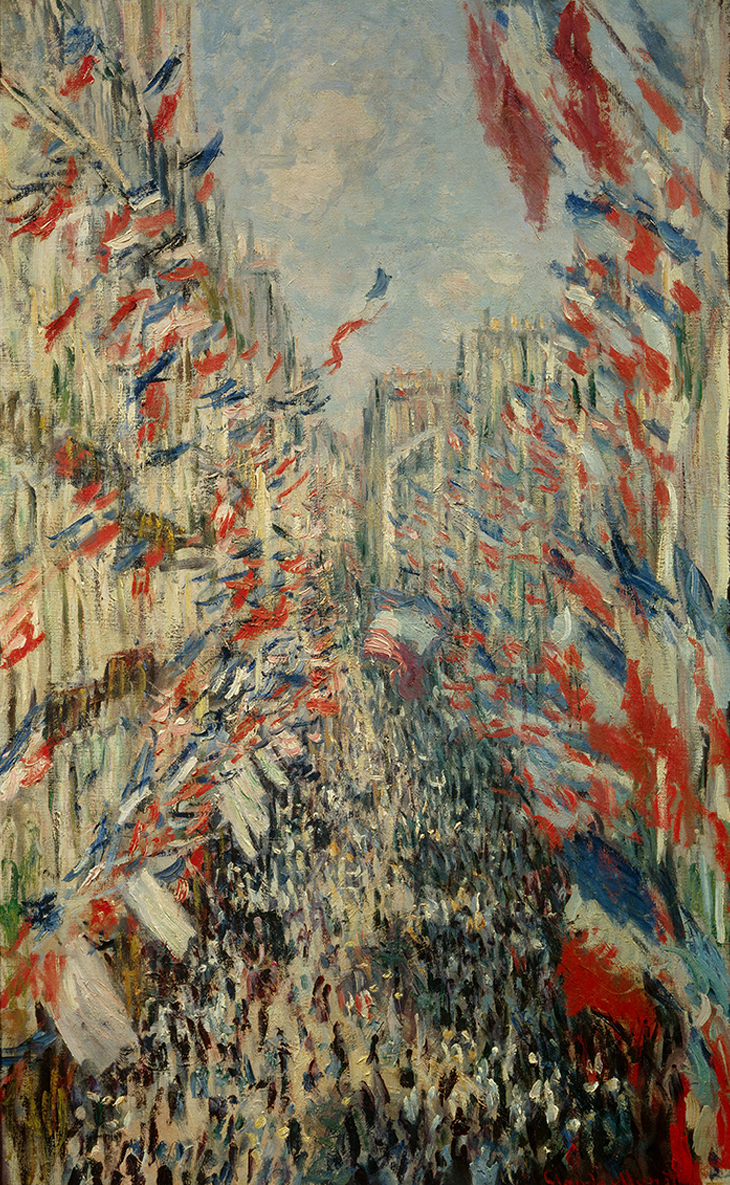
Claude Monet (1840-1926), 1878
Musée d’Orsay Paris, France
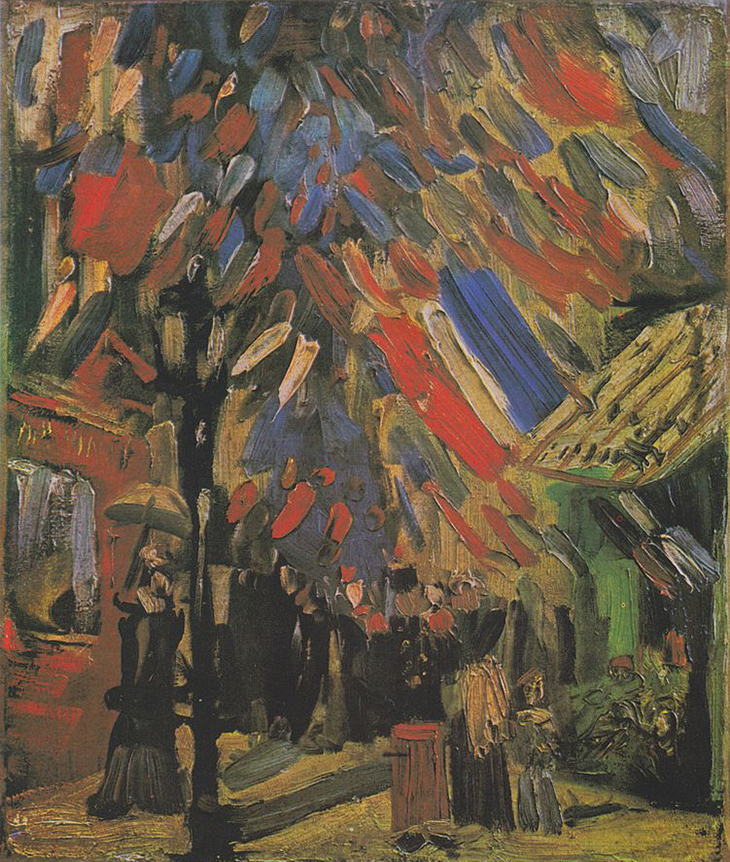
Vincent van Gogh (1853-1890), 1886
Villa Flora Winterthur, Switzerland
Here, Van Gogh practiced Impressionism on the same subject as Claude Monet. Unlike many of his contemporaries, Vincent van Gogh did not see Impressionism as the perfection of painting.
Pointillism – all dots, the eye mixes itself
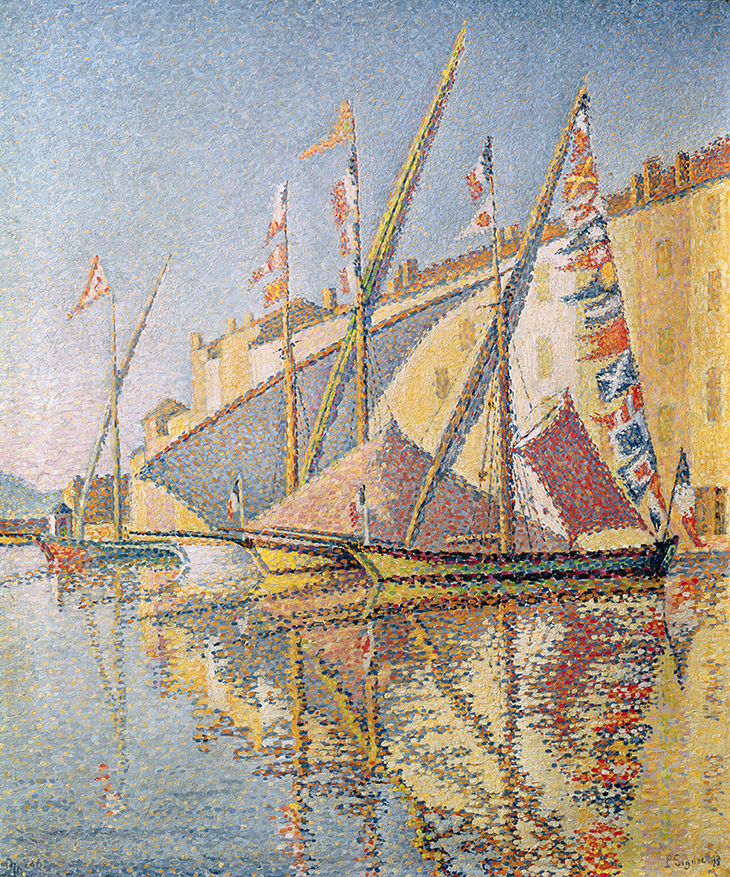
Paul Signac (1863-1935), 1893
Von der Heydt-Museum Wuppertal, Germany
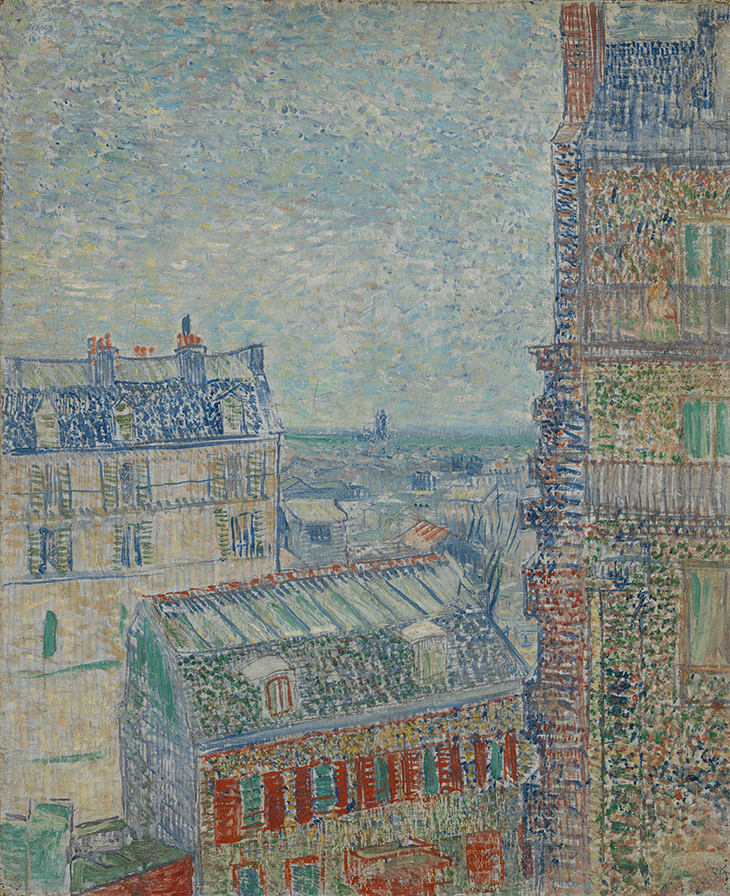
Vincent van Gogh (1853-1890), 1887
Van Gogh Museum Amsterdam, Netherlands
Pointillism offers the viewer’s eye mere dots, the message of which also depends on the distance and detail of the picture. In Paris, Vincent van Gogh also tried his hand at this style, which ultimately seemed unsuitable for capturing the beauty of nature.
Symbolism – expressing more than meets the eye
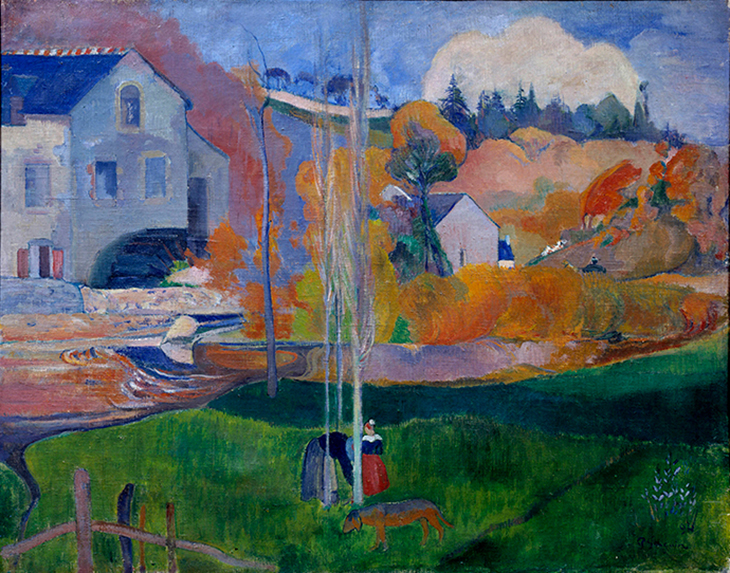
Paul Gauguin (1848-1903), 1894
Musée des Arts décoratifs Paris, France
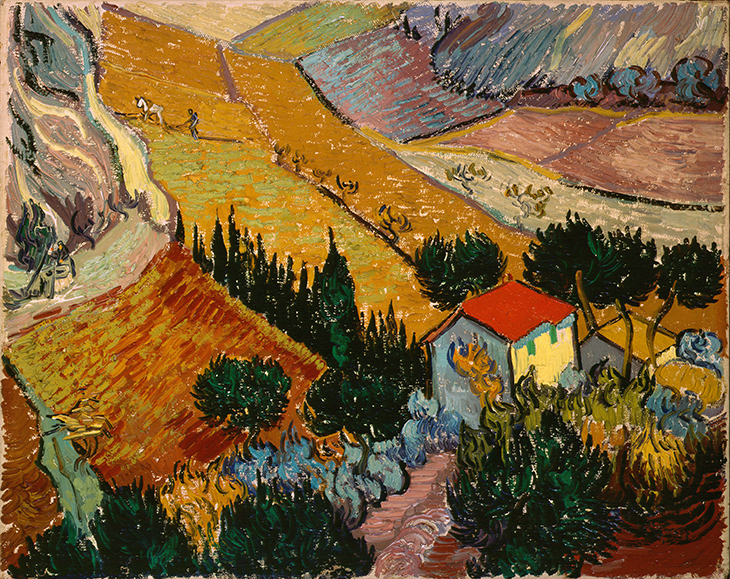
Vincent van Gogh (1853-1890), 1889
State Hermitage Museum St. Petersburg, Russia
Symbolism always strives for deeper expressiveness. This inspired Van Gogh, but he was never able to agree on a common conception of art with the representatives of the style, above all Paul Gauguin.
Jean-François Millet
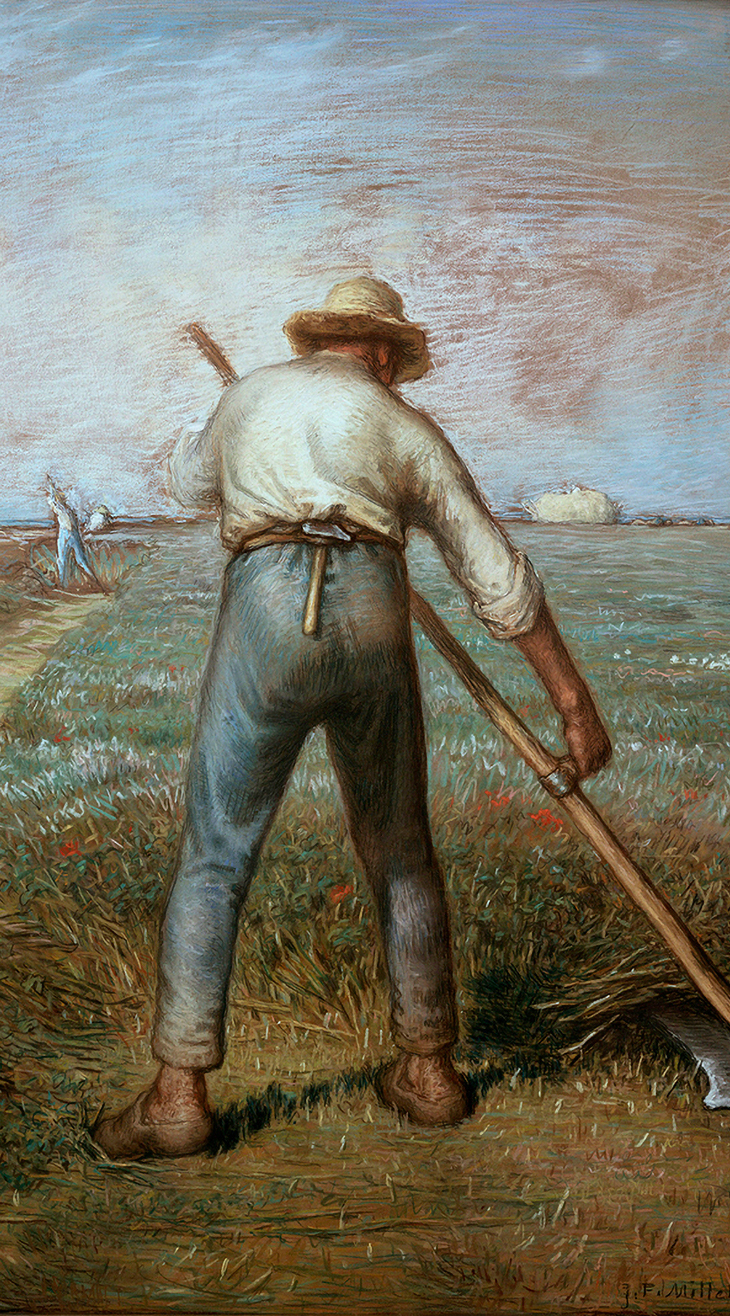
Jean-François Millet (1814-1875), 1866-1868
Hiroshima Museum of Art, Japan
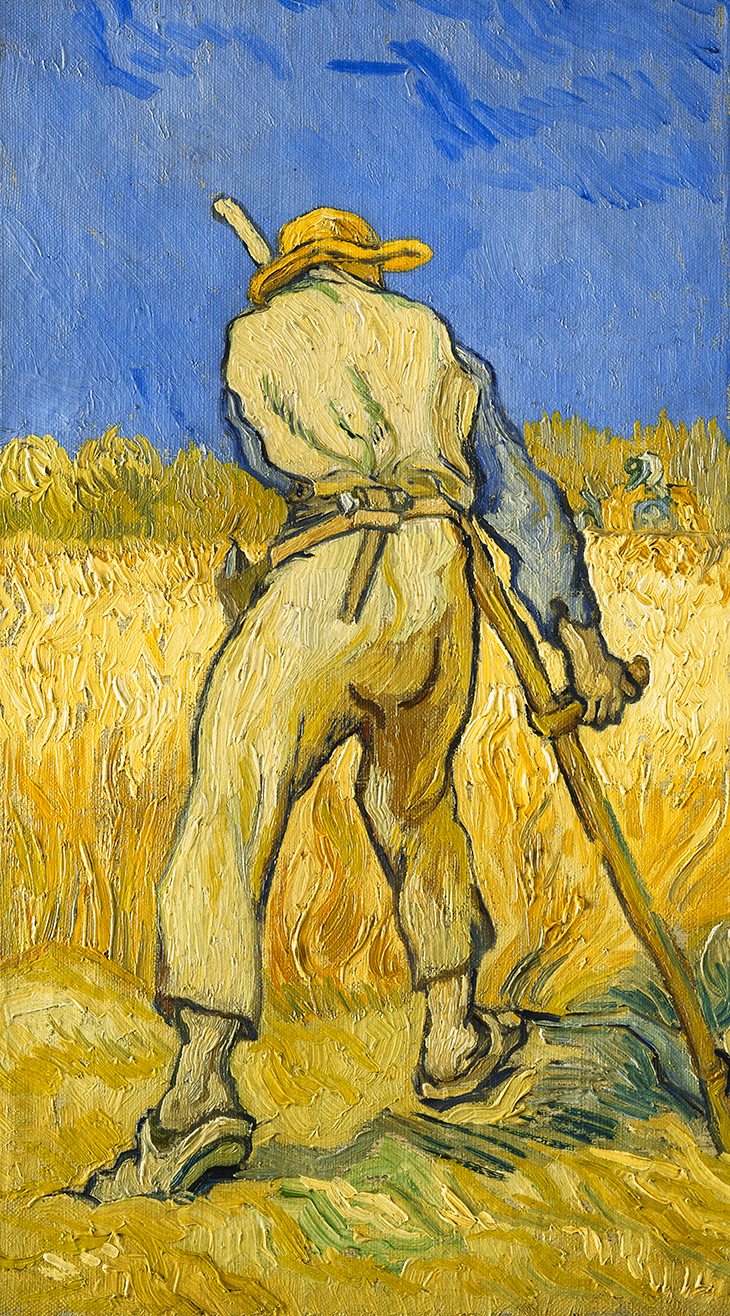
Vincent van Gogh (1853-1890), 1889
Private collection
Jean-François Millet (1814-1875) was one of the leading painters of realism and a great role model for Vincent van Gogh. The two shared a fascination for the life of poor peasants in the countryside. Vincent copied and quoted Millet’s paintings again and again. Vincent did not usually paint religious motifs according to his own ideas, but rather from Millet’s models.